Capital Conservation: How Invision Sally Jobe Grew MRI Volume with SwiftMR
Facing high demand, ISJ needed to become more efficient
Three options on the table
Scan times fell across every protocol
Efficiency gains without an image-quality trade-off
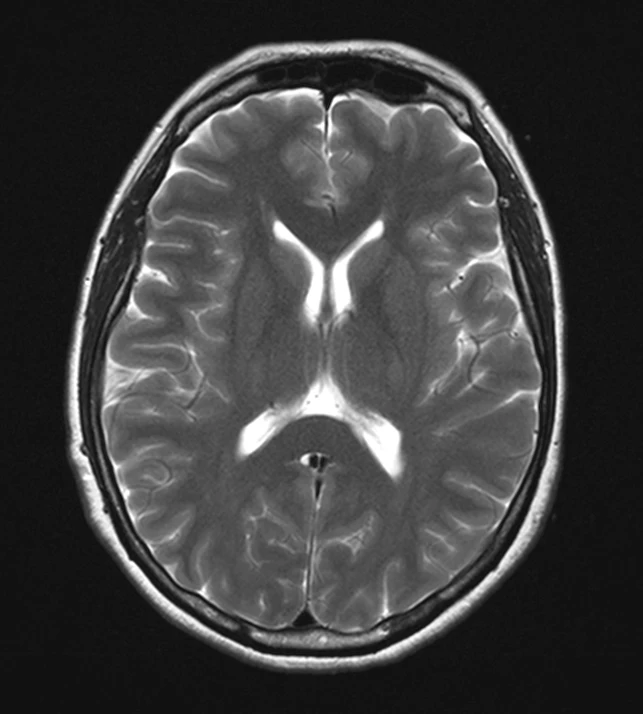
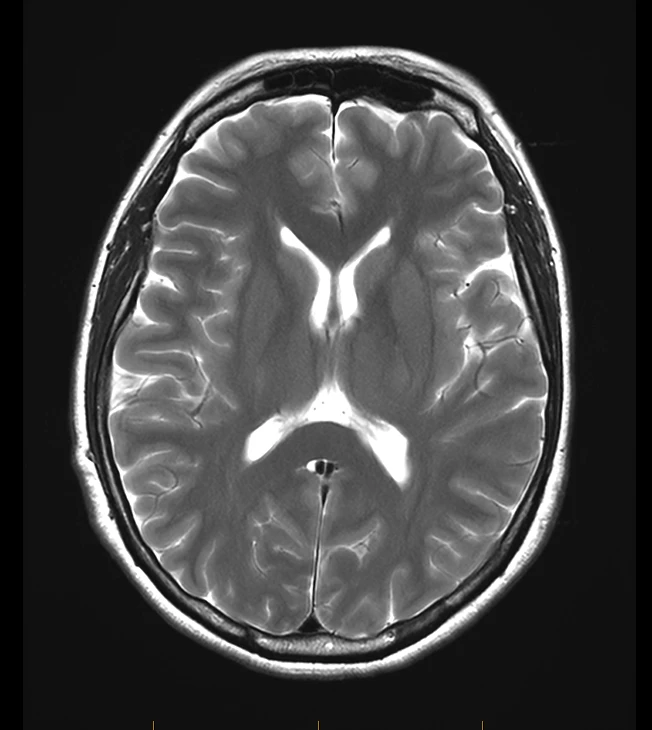
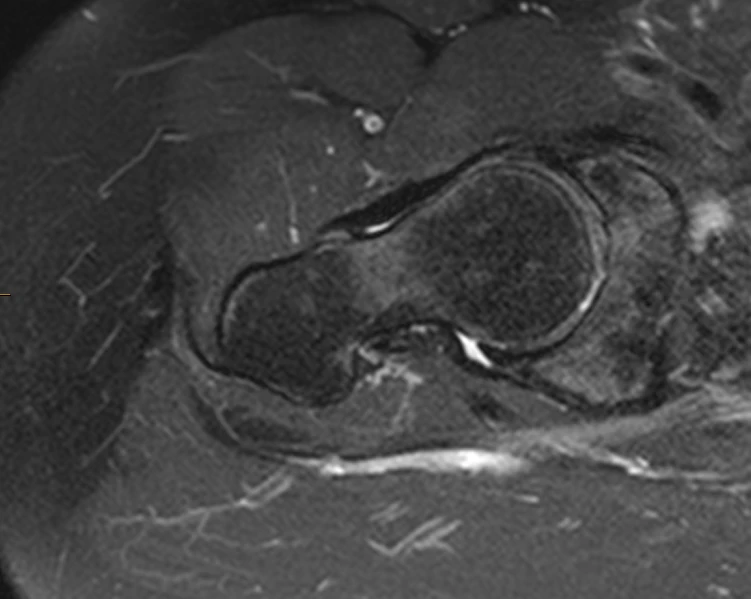
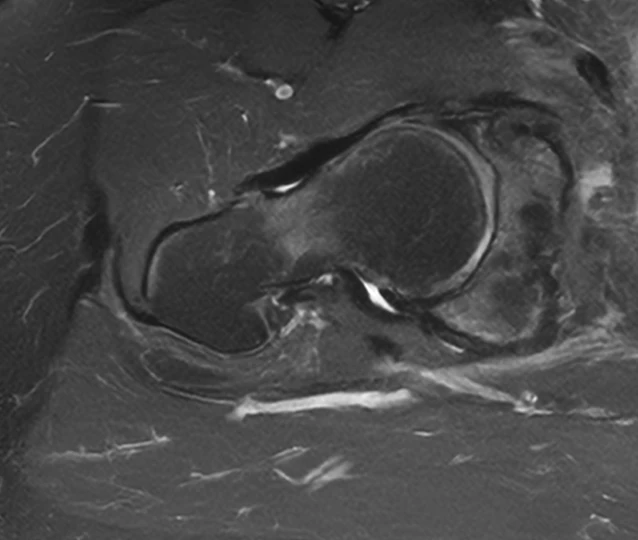
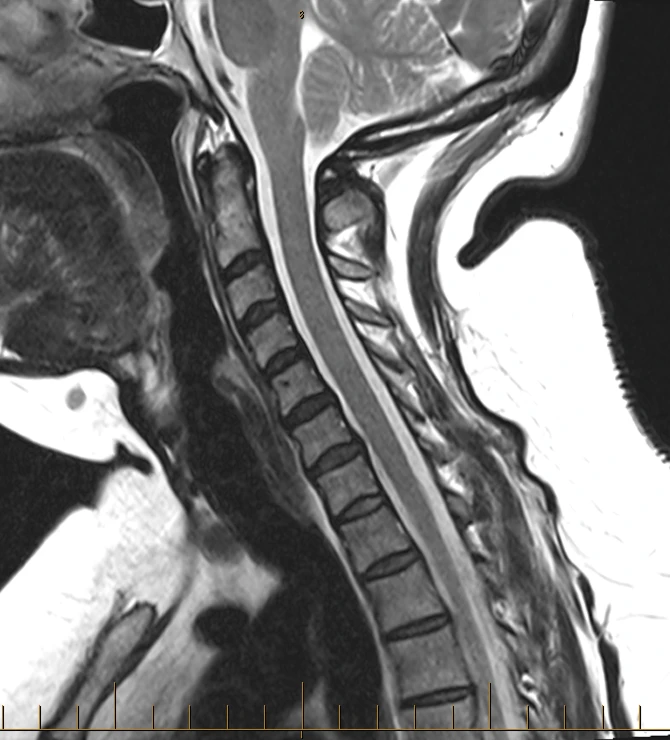
Before and after images
The capital stayed in the plan
Make your existing fleet faster
Facing surging demand, the Denver-metro imaging network made its existing scanners faster instead of buying new ones, saving an estimated $1.5M+ compared with buying a new machine and lifting patient throughput 29% across three locations in its first three months.
CEO, Invision Sally Jobe · Denver, Colorado
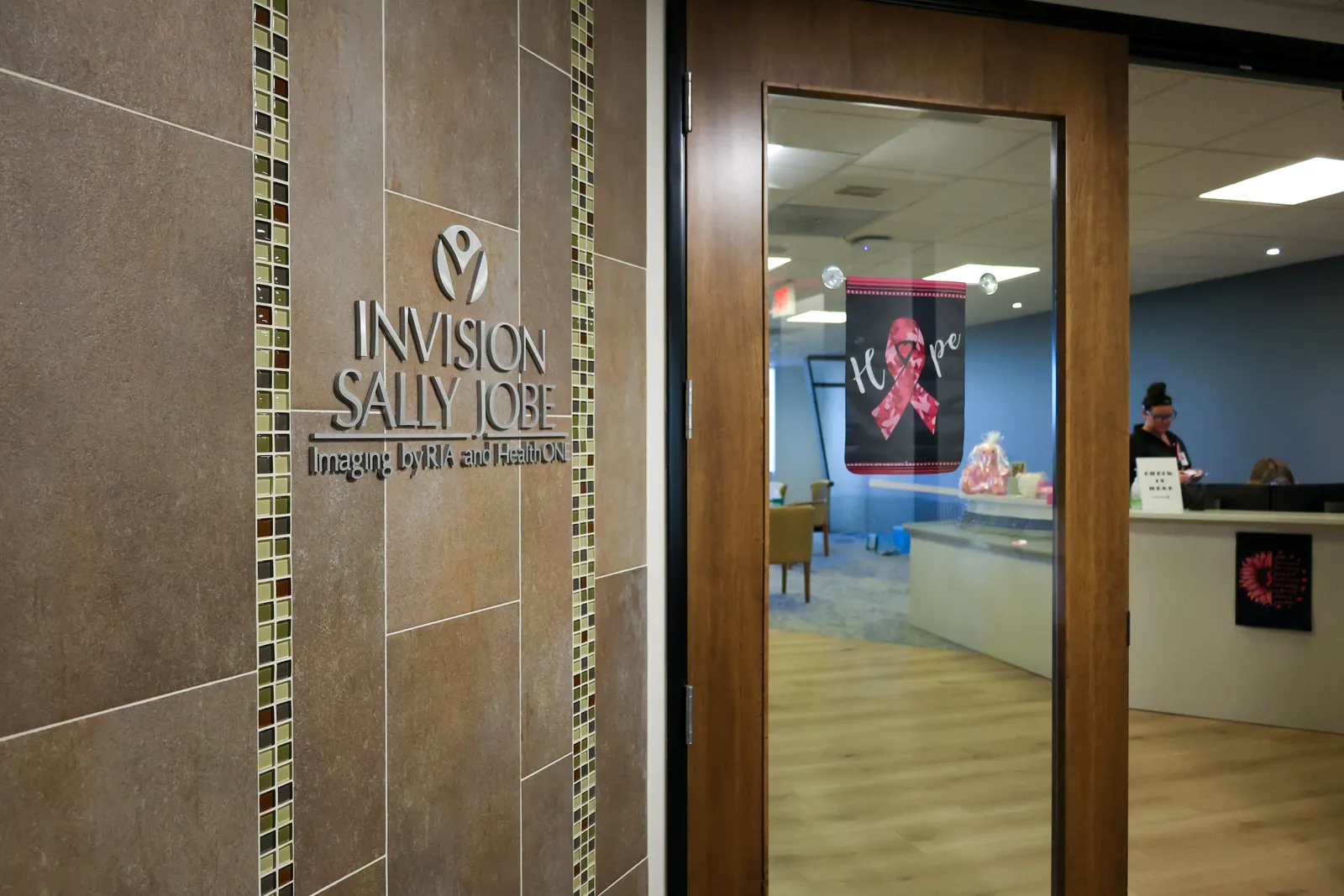
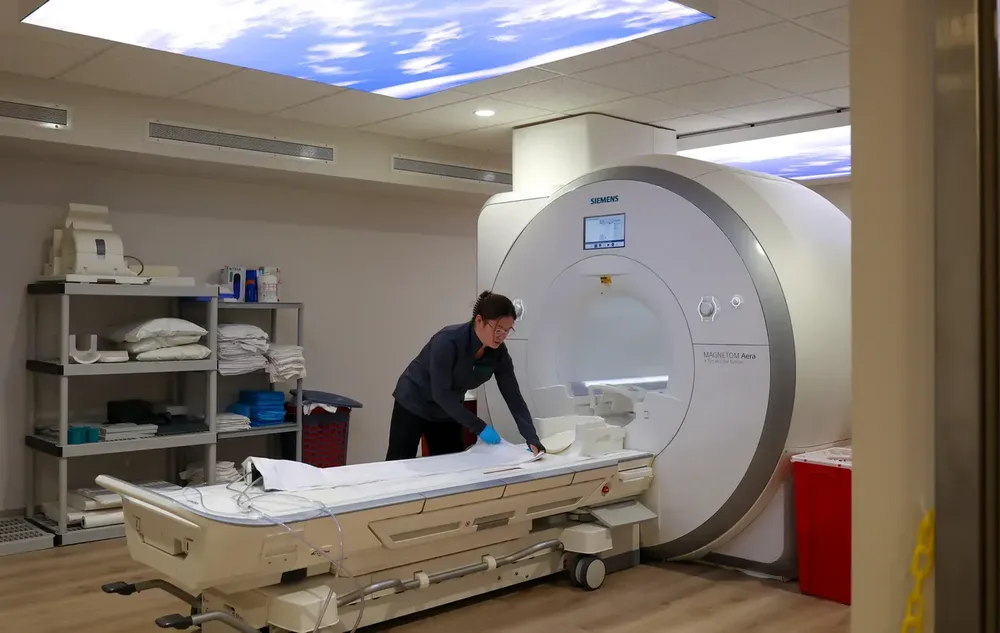
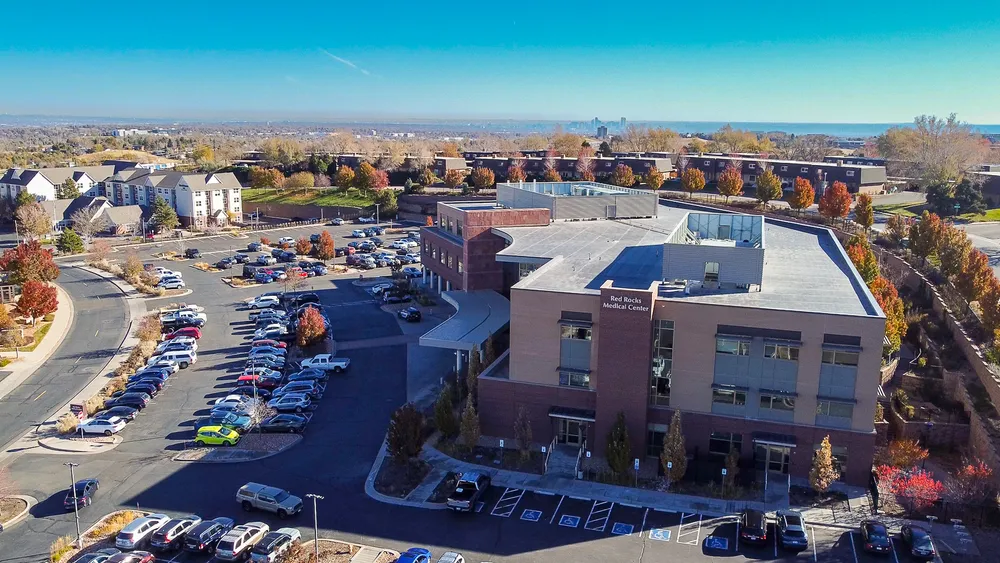
Scenes from Invision Sally Jobe’s network in the Denver metro area.
Invision Sally Jobe (ISJ) is a network of diagnostic imaging centers in the Denver metro area. Operating in partnership with Radiology Imaging Associates (RIA), a leading radiology reading group, ISJ provides MRI, CT, X-ray, and specialized screening services. Led by board-certified radiologists, the network ensures continuity of care between its outpatient centers and local hospitals.
With patient demand surging across the Denver metro area, ISJ faced a difficult challenge: meeting growing MRI volume without making significant capital investments. At its three key locations (Southwest, Littleton, and Golden), the team needed to boost efficiency while keeping costs under control. Its goals were clear:
Achieving all of this across multiple sites required a solution that fit seamlessly into existing operations, and one that could clear the bar of a disciplined budgeting process.
To meet growing demand without a major capital investment, ISJ evaluated its options: purchase an additional machine, upgrade its scanners through the manufacturer, or implement SwiftMR on the existing fleet.
Expensive per-unit cost: manufacturer software at $400K+ plus AI enhancements at $150K+.
Improved efficiency on existing machines, with increased patient throughput, new revenue opportunities, and no scanner downtime.
The arithmetic was hard to argue with. A new scanner meant $1.5M+ per unit and more than three years to pay for itself. An OEM upgrade came to $550K or more per machine, between manufacturer software at $400K+ and AI enhancements at $150K+, with roughly two to three years to reach ROI. SwiftMR ran on the machines ISJ already had in place, with minimal upfront cost, no scanner downtime, and a path to ROI measured in weeks.
For a fraction of the cost of either alternative, ISJ chose SwiftMR.
SwiftMR helped us achieve dual objectives — improving efficiency while conserving capital. We’re operating more seamlessly on the same devices.
At ISJ’s Southwest and Littleton locations, SwiftMR reduced scan times across protocols on Siemens Aera 1.5T scanners. Lumbar spine MRI scans dropped from 20 minutes to just over 10, nearly half, and every measured protocol fell by at least a third.
ISJ Southwest + Littleton · Siemens Aera 1.5T43% average reduction
At its Golden location, ISJ achieved similar results on a GE Optima 1.5T. Lumbar spine scans again led the way with a 45% reduction, improving scheduling efficiency while maintaining high-quality images. Two scanner makes, one platform, and the same outcome: shorter protocols and more open slots each day.
ISJ Golden · GE Optima 1.5T40% average reduction
Efficiency was a top priority, but ISJ also set out to maintain or improve image quality, and it delivered on both. Reduced scan times increased patient throughput without overburdening staff. Faster scans shortened wait times, so patients received critical imaging sooner. And the efficiency gains came without compromise: images remained sharp or became even sharper.
Adoption went just as smoothly in practice. “SwiftMR is very user-friendly,” said Steven Estes, Lead CT/MR Technologist and MRI Clinical Science Specialist at ISJ Southwest, whose team worked directly with AIRS Medical as protocols came online across the sites.
Our team of radiologists and technologists were able to easily partner with AIRS Medical’s applications specialists in the development of new SwiftMR protocols.
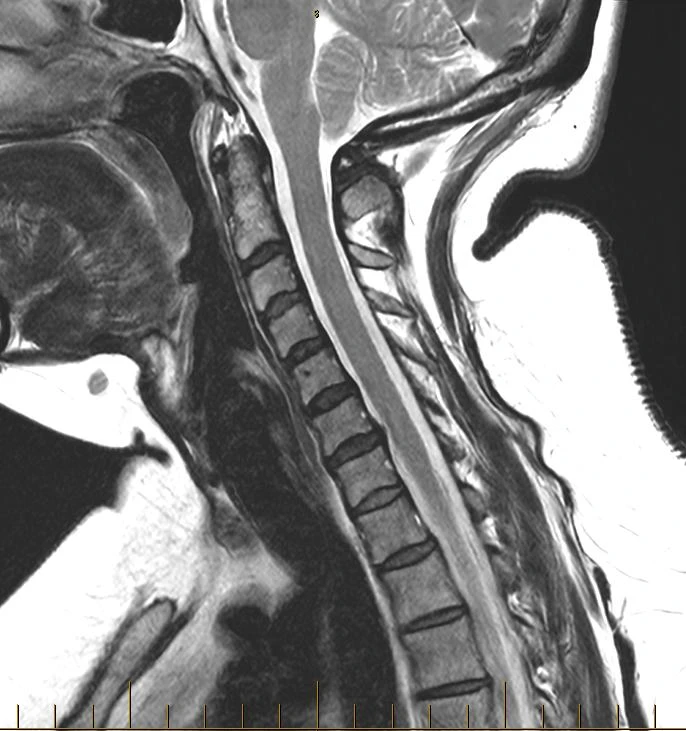
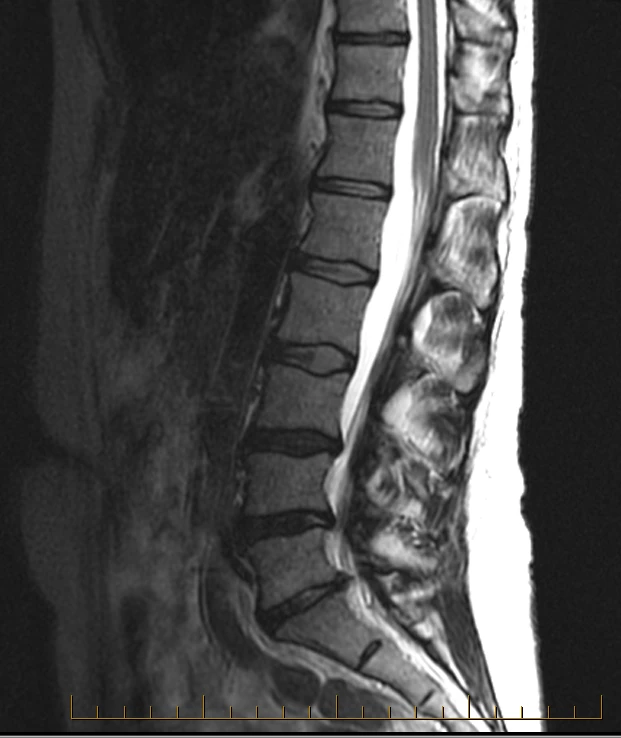
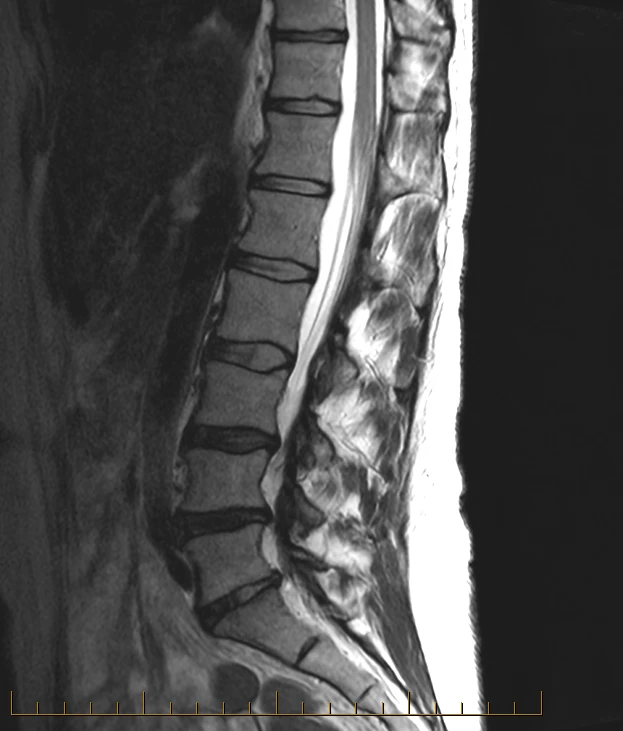
The pairs below show the same sequences acquired conventionally and with SwiftMR on ISJ’s scanners: three from the Siemens Aera 1.5T at Southwest and Littleton, one from the GE Optima 1.5T at Golden.
Brain T2 · Siemens Aera 1.5T44% faster
Hip · Siemens Aera 1.5T41% faster
C-spine · Siemens Aera 1.5T38% faster
L-spine · GE Optima 1.5T48% faster
Within three months of implementation, patient throughput across the three locations was up 29% on average, on the same scanners ISJ already owned. The new machine never had to be bought, the OEM upgrades never had to be ordered, and the capital stayed available for the priorities in ISJ’s multi-year plan. For a network weighing efficiency against budget discipline, the two goals turned out not to be in conflict.
Imaging providers like ISJ have used SwiftMR not only to enhance patient care but also to drive sustainable bottom-line growth from the scanners already in service.
SwiftMR runs on the MRI fleet you already own. Tell our team about your scanners and evaluate SwiftMR on your own images.
Testimonials and results reflect Invision Sally Jobe’s measurements from three of its Denver-area locations. Individual outcomes vary by scanner, sequence, and protocol.
Estimated costs and time-to-ROI figures for scanner upgrades, replacements, and SwiftMR reflect customer feedback and industry standards; actual results may differ. Patient throughput improvement is based on data from the first three months post-implementation.
SwiftMR is FDA 510(k)-cleared in the United States to support images with scan time reduction by up to 50%.
“ISJ uses a multi-year capital equipment prioritization process, and needed a solution that would help us use our existing equipment to quickly meet rapid increases in demand.”Geoff Lawton, CEO, Invision Sally Jobe
“SwiftMR helped us achieve dual objectives — improving efficiency while conserving capital. We’re operating more seamlessly on the same devices.Geoff Lawton, CEO, Invision Sally Jobe
“Our team of radiologists and technologists were able to easily partner with AIRS Medical’s applications specialists in the development of new SwiftMR protocols.Steven Estes, Lead CT/MR Technologist and MRI Clinical Science Specialist, ISJ Southwest
“SwiftMR enabled a reduction in scan times for many common study types while maintaining high image quality. These reductions helped us expand capacity and ultimately MRI volumes across our organization.”Jared Mahan, MD, Neuroradiologist, Radiology Imaging Associates / Invision Sally Jobe
| Protocol | Before | With SwiftMR | Reduction |
| L-spine | 20:06 | 10:35 | 47% |
| Shoulder | 18:39 | 9:59 | 46% |
| Knee | 17:47 | 9:39 | 46% |
| C-spine | 16:05 | 9:50 | 39% |
| Brain W&WO | 23:10 | 15:09 | 35% |
| Protocol | Before | With SwiftMR | Reduction |
| L-spine | 18:20 | 10:04 | 45% |
| Shoulder | 20:57 | 12:03 | 42% |
| Knee | 22:46 | 13:43 | 40% |
| C-spine | 17:35 | 11:06 | 37% |
| Brain W&WO | 27:07 | 17:21 | 36% |