Measure the Patient. Not the Scanner.
Consistent brain MRI measurements across scanners and over time.
U.S. FDA 510(k)-cleared (K251483) for its authorized intended use. Product availability and functionality may vary by region.
AI Brain Volumetry for More Confident Longitudinal Assessment
When a brain MRI measurement changes, did the patient change, or did the scanner? Different MRI manufacturers, field strengths, and acquisition conditions can introduce measurement variability that complicates serial comparisons.
SwiftSight-Brain provides automated brain segmentation, volumetric analysis, normative percentile comparisons, and longitudinal reporting. It gives neuroradiologists quantitative context for structural change and helps imaging organizations deliver a more consistent brain MRI service across supported systems.
When the Scanner Changes, Measurements Should Remain Interpretable
Patients often return for follow-up MRI on a different scanner or at another facility. That creates a clinical challenge: distinguishing possible disease-related change from variation introduced by the imaging process. It also creates an operational challenge for multi-site providers trying to standardize quantitative imaging services.
One Patient. Three Scanners. A More Consistent Measurement.
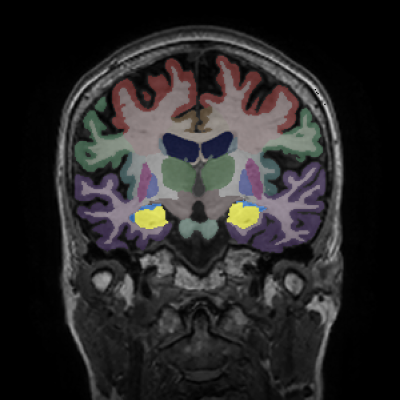
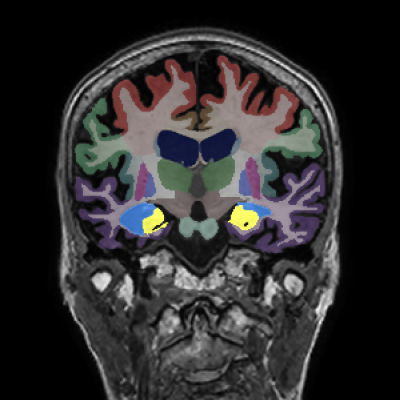
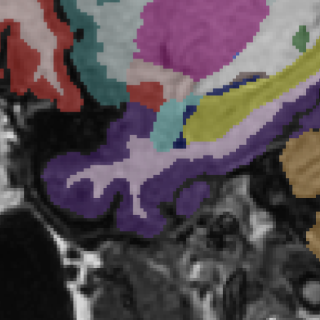
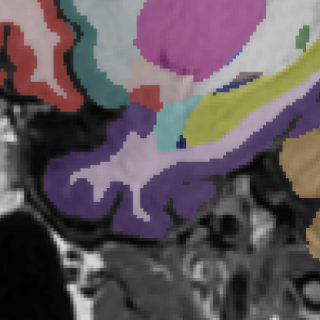
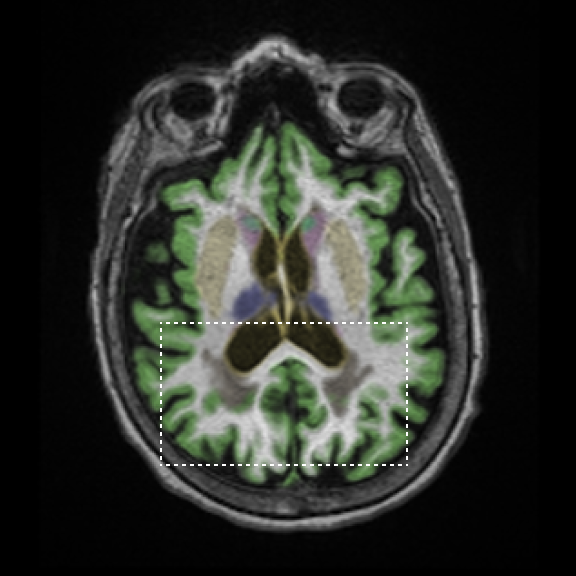
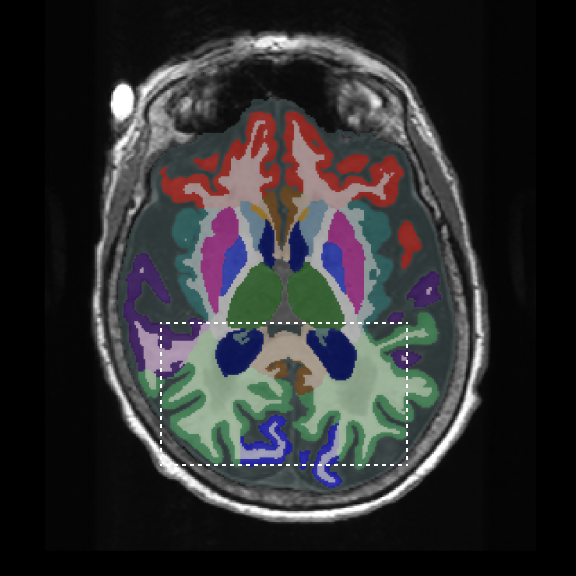
In a representative three-scanner comparison, conventional hippocampal measurements ranged from 6.5 to 7.6 mL. With the evaluated SwiftSight®‑Brain workflow, they ranged from 8.00 to 8.16 mL, a reported variation of 16% versus less than 2%, respectively.
Representative case, not an average result. The evaluated workflow uses SwiftMR preprocessing before SwiftSight-Brain quantification; results vary by study and imaging conditions.
3.0T Scanner
Accelerated (2m)
1.5T Scanner
Standard scan (4m)
Hippocampal Volume (ml) across scanners
Maximum variation
Less than 2%
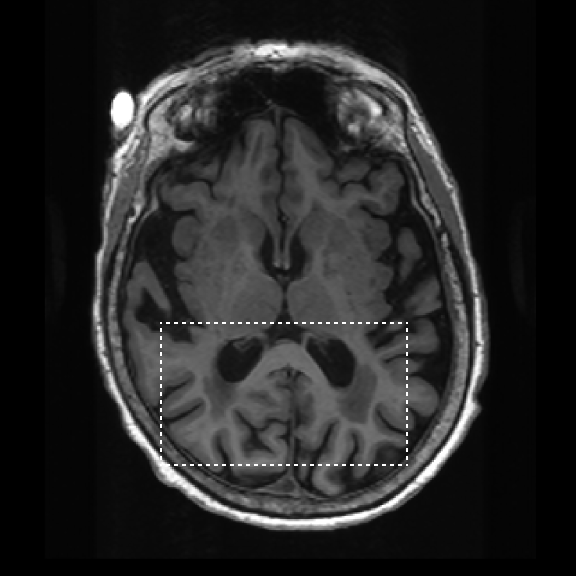
Same patient scanned on three different scanners
SwiftMR + SwiftSight-Brain
What SwiftSight-Brain Delivers
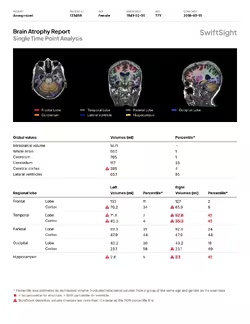
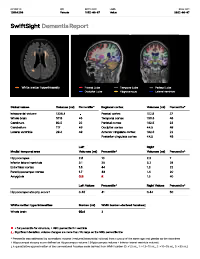
Automated Brain Volumetry & Atrophy Tracking
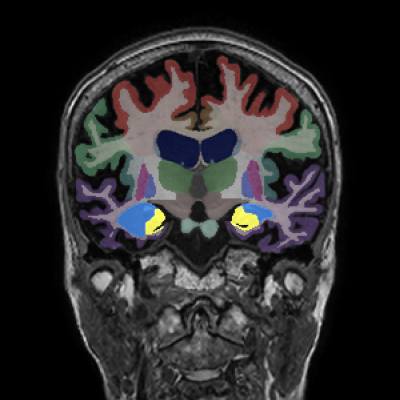
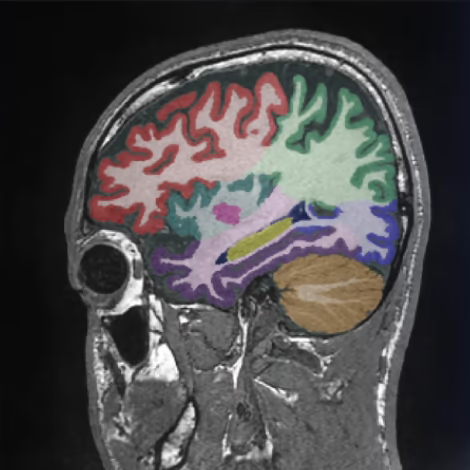
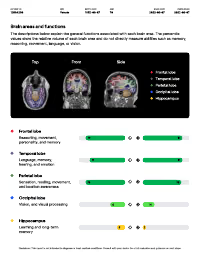
Quantify whole-brain, hippocampal, ventricular, and regional volumes. Compare applicable serial examinations to add objective context to changes that may be difficult to assess through visual review alone.
Advanced MRI Brain Segmentation
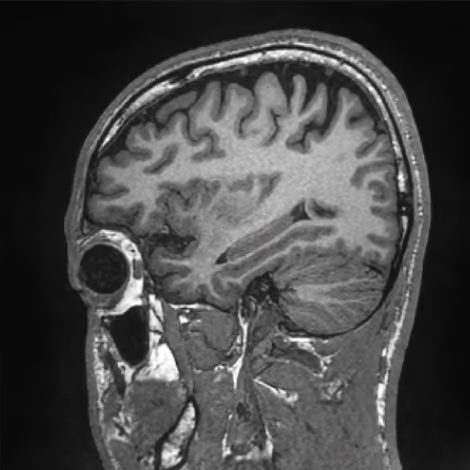
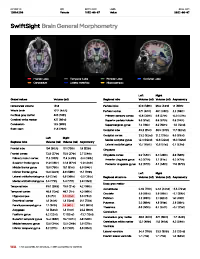
Examine lobar and cortical regions separately, assess left-right differences, and quantify smaller structures including the midbrain, pons, medulla, and choroid plexus.
Age- and Sex-Adjusted Normative Comparisons
Put measured volumes into context with intracranial-volume-normalized percentiles. Regional and hippocampal asymmetry measurements can add information beyond a single global brain-volume result.
Lesion and White Matter Hyperintensity Analysis
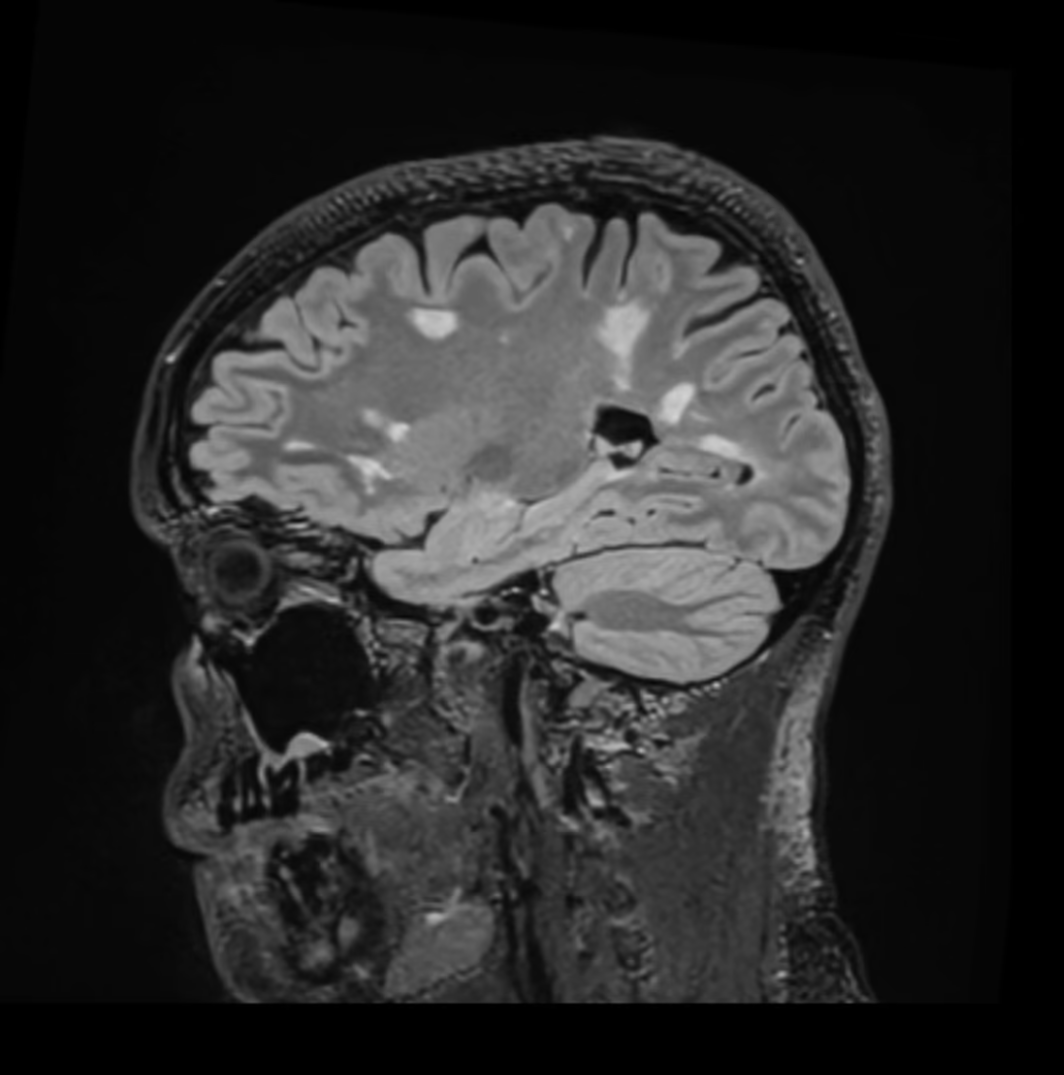
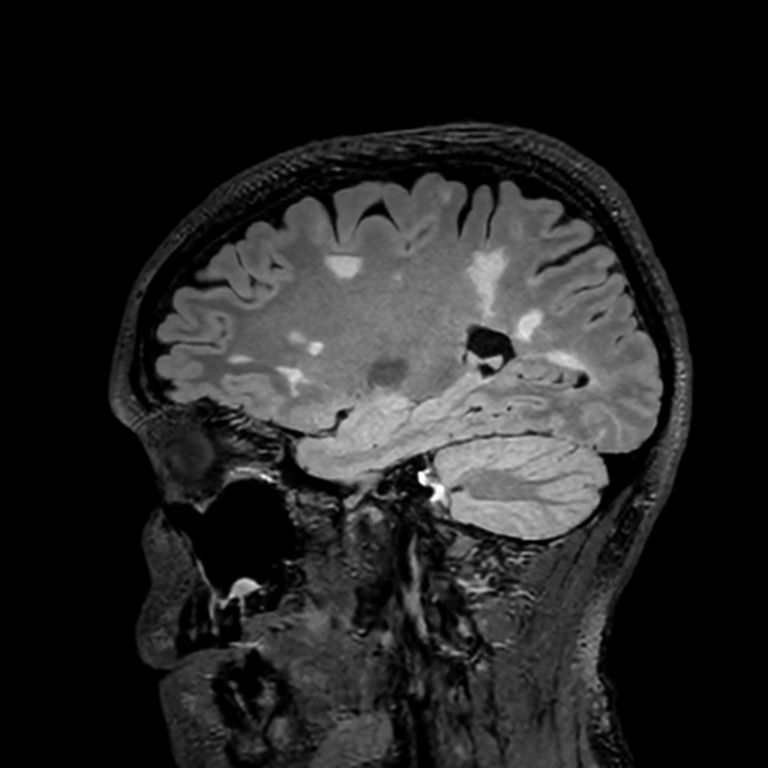
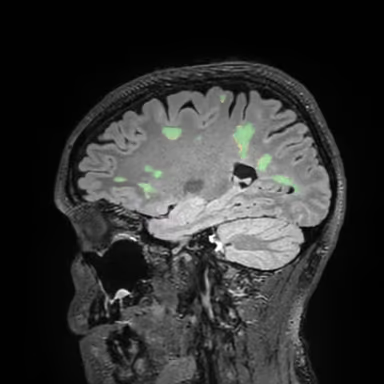
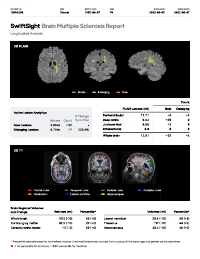
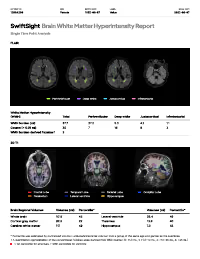
Quantify lesion burden using supported MRI inputs and review applicable longitudinal changes. These measurements can complement clinical assessment in multiple sclerosis and other neurological care pathways.
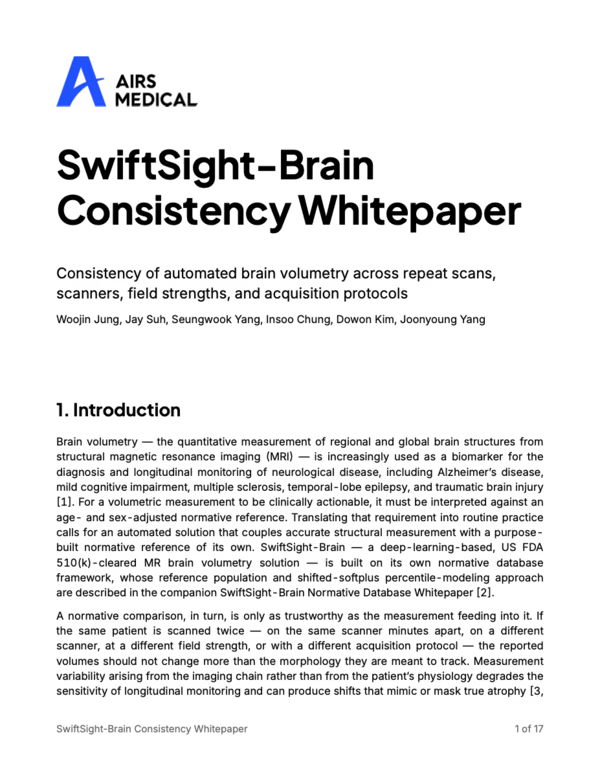
SwiftSight-Brain Consistency Whitepaper
Measurement Consistency Backed by Evidence
AIRS Medical evaluated repeatability and cross-scanner consistency in its 2026 SwiftSight-Brain Consistency Whitepaper, comparing the integrated SwiftMR-preprocessed SwiftSight-Brain workflow with a conventional volumetry pipeline.
0.45% Test-retest mean CoV vs 0.64% conventional (n=4,565)
CoV = coefficient of variation; lower values indicate greater repeatability. Results compare the integrated pipeline with a conventional pipeline and describe measurement reproducibility under evaluated conditions; they do not measure clinical outcomes.
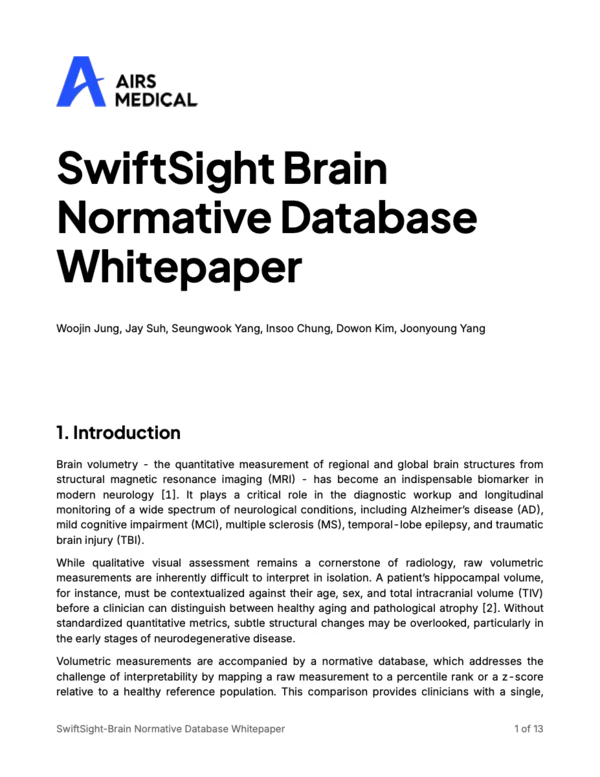
SwiftSight-Brain Normative Database Whitepaper
A 32,615-Subject Normative Database
Reliable brain MRI quantification requires meaningful reference data. SwiftSight-Brain uses a normative database of 32,615 subjects aged 18–97, incorporating 3D T1-weighted MRI data from Siemens Healthineers, GE HealthCare, and Philips systems at 1.5T and 3T.
Its shifted-softplus model is designed to reflect patterns of age-related brain-volume change while accounting for the wider variation seen in older populations. The result is age- and sex-adjusted percentile information that helps radiologists interpret regional measurements in context.
Quantitative Brain MRI in Clinical Practice
Longitudinal Brain Atrophy
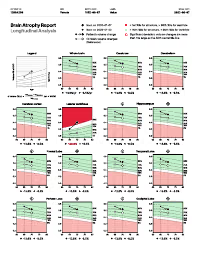
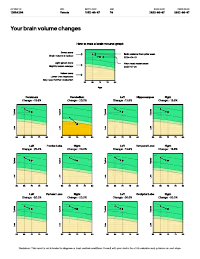
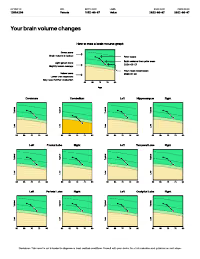
Track whole-brain and hippocampal volume loss alongside ventricular enlargement. In a representative longitudinal case, SwiftSight-Brain followed a consistent atrophy trajectory across examinations performed at ages 72, 76, and 77 on three different MRI systems.
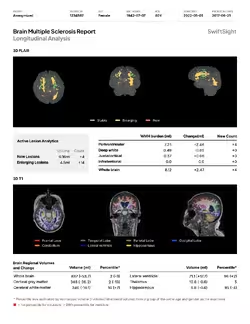
Multiple Sclerosis Assessment
Use automated lesion segmentation and longitudinal measurements to help evaluate changes in lesion burden. Findings complement standard MRI review, neurological assessment, and clinical history.
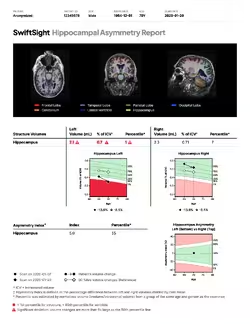
Regional Atrophy and Hippocampal Asymmetry
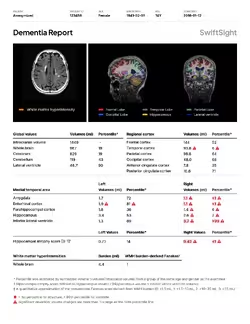
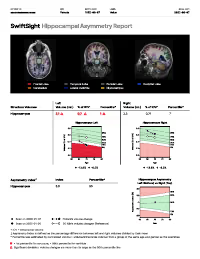
Compare lobar and cortical measurements to identify regional patterns that may be missed in whole-brain summaries. Quantitative left-right hippocampal analysis provides an additional perspective when asymmetry is clinically relevant.
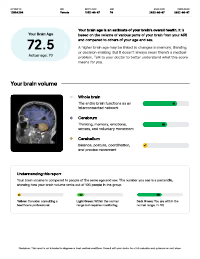
Automated Reports, Delivered to PACS
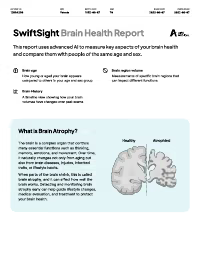
SwiftSight-Brain generates quantitative reports for radiologist review within the existing imaging workflow. Available report formats include:
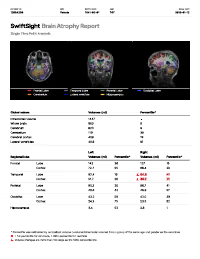
Brain Atrophy
Global and regional volumes, percentiles, and longitudinal tracking.
Region-level volumetric information relevant to neurodegenerative assessment.
Multiple Sclerosis
Lesion measurements and applicable longitudinal comparisons.
Hippocampal Asymmetry
Left-right hippocampal measurements and asymmetry analysis.
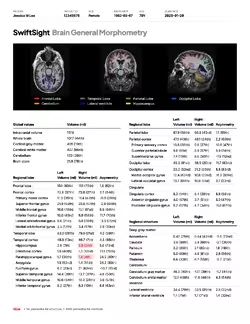
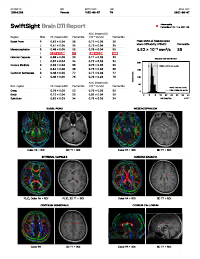
General Morphometry
Comprehensive global and regional brain morphology measurements.
Report availability may vary by software version, configuration, and region. Contact AIRS Medical for the current selection.
Standardize Brain MRI Quantification Across Your Imaging Network
A multi-site imaging organization needs comparable measurements, consistent reporting, and integration with its existing systems, not a separate workflow for every scanner.
Use More of Your Supported MRI Fleet
Evaluate quantitative brain follow-up across eligible scanners and sites rather than assuming the baseline scanner must always be used. Compatibility, acquisition requirements, and clinical review still determine where an exam can be performed.
A Repeatable Workflow Across Sites
Apply a consistent analysis and reporting approach across supported systems, helping enterprise radiology teams extend quantitative brain MRI services across imaging locations.
Bring Quantification Into PACS
Eligible examinations can be processed automatically, with configured report outputs returned to PACS for radiologist review. This reduces the need for routine manual segmentation and separate reporting steps.
How SwiftSight-Brain Works
Acquire
Obtain an eligible structural brain MRI examination. Supported 3D T1-weighted imaging is used for volumetry; T2-weighted FLAIR supports applicable lesion analysis.
Quantify
Automated algorithms segment the brain, calculate volumes, and generate available normative and longitudinal comparisons.
Report
Quantitative results and supported image outputs are sent to the configured PACS workflow for clinical interpretation.
Frequently Asked Questions
What is SwiftSight-Brain?
SwiftSight-Brain is AI-powered brain MRI analysis software that labels and quantifies anatomical structures and lesions, provides reference percentile comparisons, and generates reports for qualified healthcare professionals.
Can it compare examinations acquired on different MRI scanners?
SwiftSight-Brain supports longitudinal analysis. AIRS Medical has evaluated measurement reproducibility across changing scanner conditions using its integrated workflow. Individual scanner, sequence, and protocol compatibility must still be verified; not all examinations are interchangeable.
Which MRI sequences are used?
Supported structural volumetry uses 3D T1-weighted MRI. T2-weighted FLAIR can be used for applicable lesion analysis. Confirm local acquisition requirements during clinical evaluation.
Can it diagnose Alzheimer's disease or multiple sclerosis?
No. SwiftSight-Brain supplies quantitative imaging information that supports radiologic and neurological assessment. Diagnosis depends on clinical findings and professional judgment.
How is the reference population used?
Regional volumes are normalized to intracranial volume and compared with age- and sex-adjusted distributions derived from 32,615 reference subjects. Percentiles add context; they are not a diagnosis.
How do radiologists access reports?
After site-specific configuration, supported reports and image outputs can be routed to PACS. Longitudinal comparisons depend on suitable prior examinations and the configured workflow.
Quantify Brain Change With Greater Confidence
See how SwiftSight-Brain can support reproducible brain MRI measurements, detailed anatomical analysis, and consistent quantitative reporting across your supported MRI environment.
For qualified healthcare professionals. SwiftSight-Brain is FDA 510(k)-cleared (K251483) in the United States for its authorized intended use. Product features, use, and availability vary by regulatory jurisdiction and configuration.