One AI Across Every Scanner: How HT Médica Standardised Image Quality Across a Multi-Vendor MRI Network with SwiftMR®
HT Médica deployed SwiftMR as a single, vendor-agnostic AI layer across five of its multi-vendor MRI sites. The result was standardised image quality from 1.0T to 3T, shorter scans with higher throughput, and renewed value from scanners it already owned, including measurable gains on top of Canon's own AiCE reconstruction.
Presented by HT Médica at the ECR 2026 Satellite Symposium
Dr. Antonio Luna
Radiologist & Chief Research Officer
HT Médica, Spain
Dr. Luna is a Spanish radiologist and HT Médica medical director with deep MRI expertise. He completed his radiology residency at Hospital Gregorio Marañón in Madrid, followed by visiting fellowships at Duke and Harvard. His work has focused on cardiac and abdominal MRI, and he is an author of the Springer volume Diffusion MRI Outside the Brain, which covers oncologic and non-oncologic applications of diffusion-weighted MRI.
HT Médica runs one of Spain's most heterogeneous private radiology networks
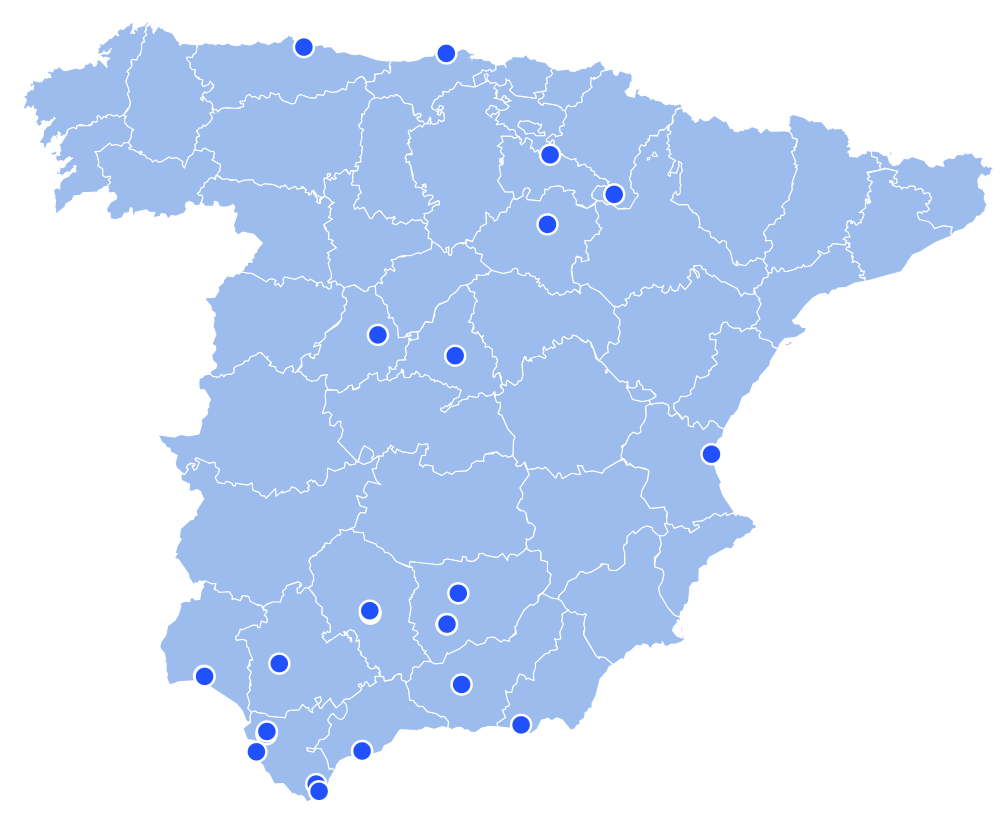
HT Médica is a protocol-driven imaging organisation operating more than 40 sites across Spain, from large private hospitals to small outpatient clinics. Its fleet spans 37 MRI scanners from the five major vendors and every field strength in routine use: 3T and 1.5T systems alongside a 0.55T and a 1.0T open scanner.
That diversity is both a point of pride and an operational problem: scanners range from legacy platforms to state-of-the-art systems, with wide variation in age, performance, and software.
HT Médica imaging centres across Spain.
40+ Sites across Spain
37 MRI scanners in the network
5 Major vendors, 0.55T to 3T
The Challenge: One network, many scanners, no shared standard
- Image quality varied by scanner: Every machine performs differently, and each vendor's AI works in isolation. Standardising image quality across a multi-centre, multi-vendor fleet was operationally complex, expensive, and effectively impossible without the right tool.
- Vendor-specific silos: Native reconstruction tools are locked to their own platforms, so consistent protocols couldn't span the network. Each vendor required its own approach to deploy, validate, and maintain.
- Ageing hardware, constrained budgets: Legacy 1.0T and 1.5T systems were approaching obsolescence, but full hardware replacement was costly and slow. HT Médica needed to extend their useful life without compromising quality or throughput.
The Solution: One AI across all platforms
In 2023, HT Médica deployed SwiftMR across its sites, covering every vendor and field strength: one tool where each manufacturer's own AI had only ever worked in isolation.
- One AI across every vendor. A single solution covering Siemens, Philips, and Canon, with no vendor-specific silos and no waiting on each manufacturer's roadmap.
- Standardised image quality. Consistent image quality across all sites and field strengths, so diagnostic quality no longer depends on which scanner a patient lands on.
- Extended life for legacy scanners. More image quality and speed out of equipment HT Médica already owned, delaying technological obsolescence and capital spend.
- Centralised, low-friction deployment. Deploy, validate, and maintain every protocol from one place, slotting into existing DICOM workflows with minimal disruption for technologists.
Key Outcomes
1 Made aging scanners dramatically faster
Philips Achieva 1.5T (10 years old)
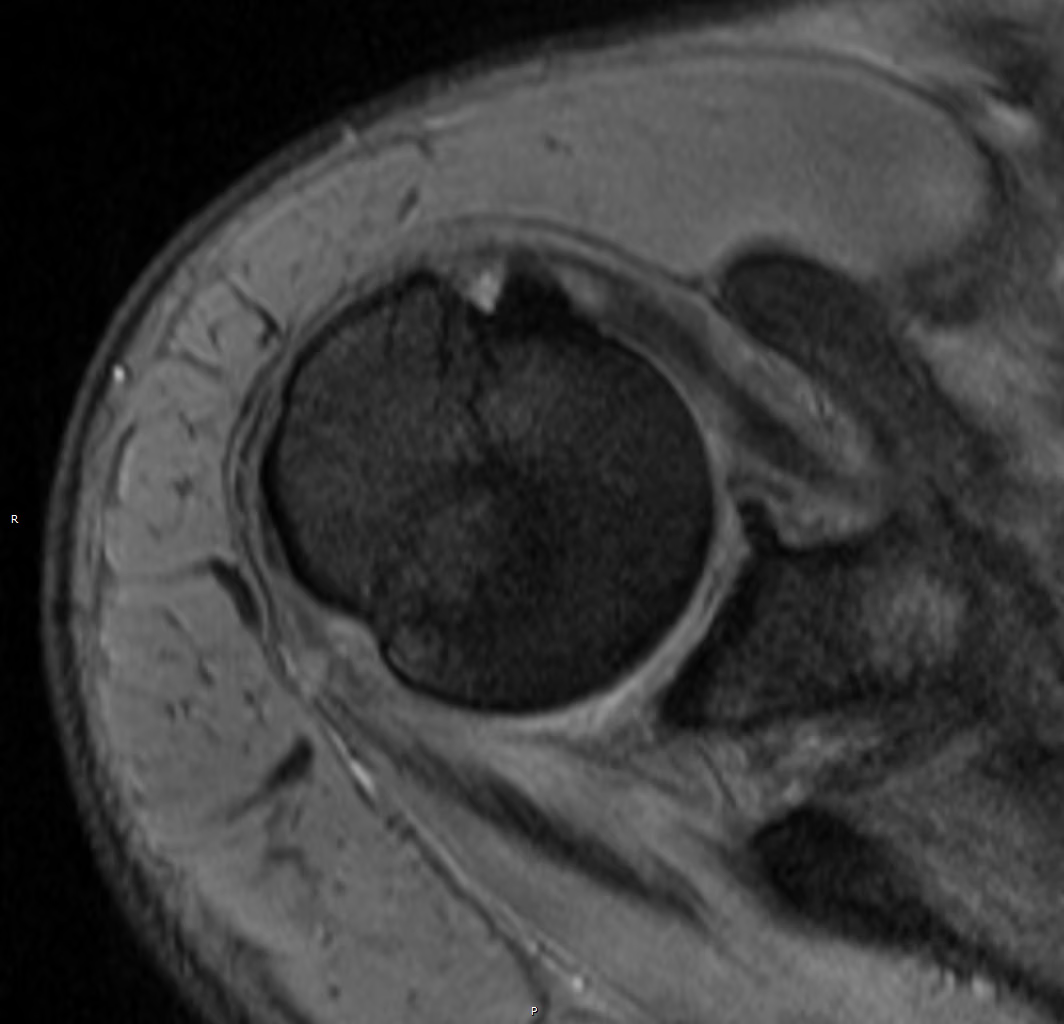
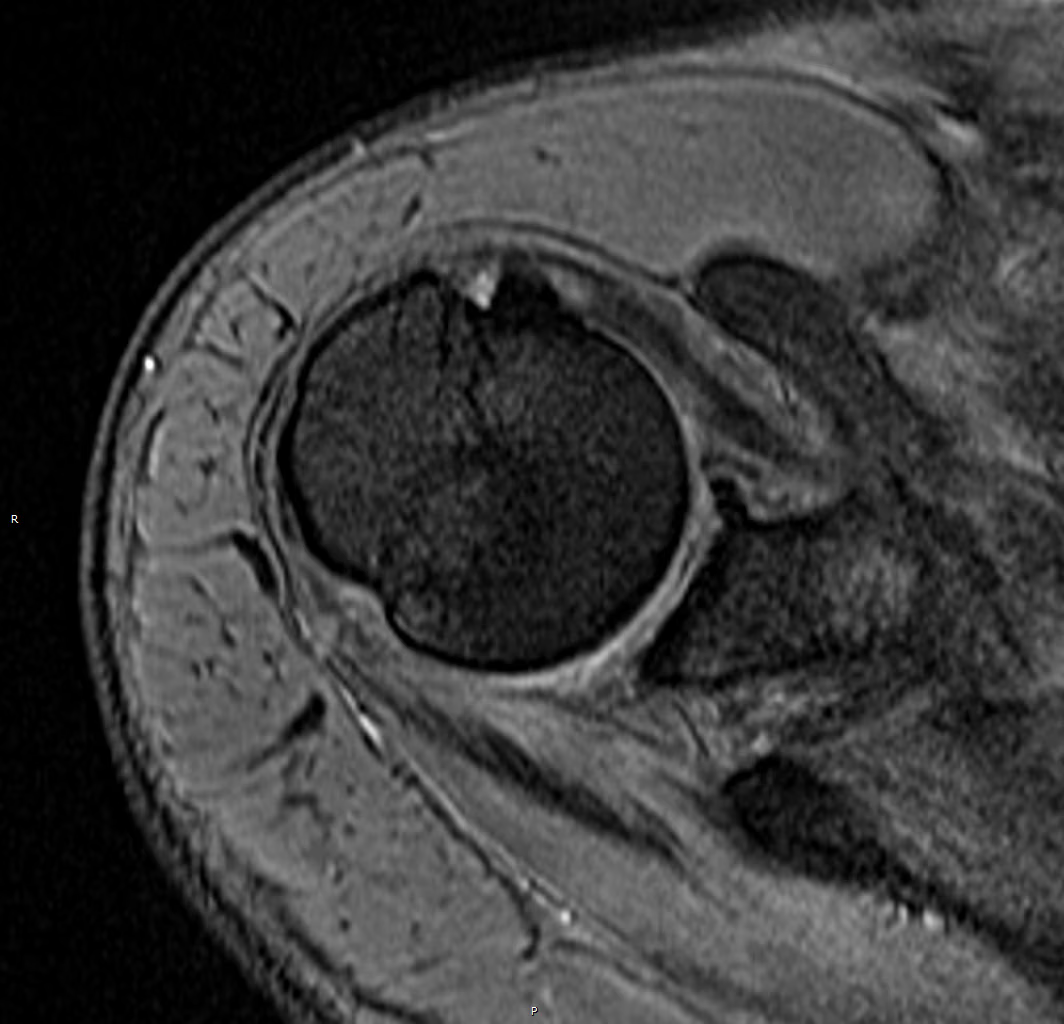
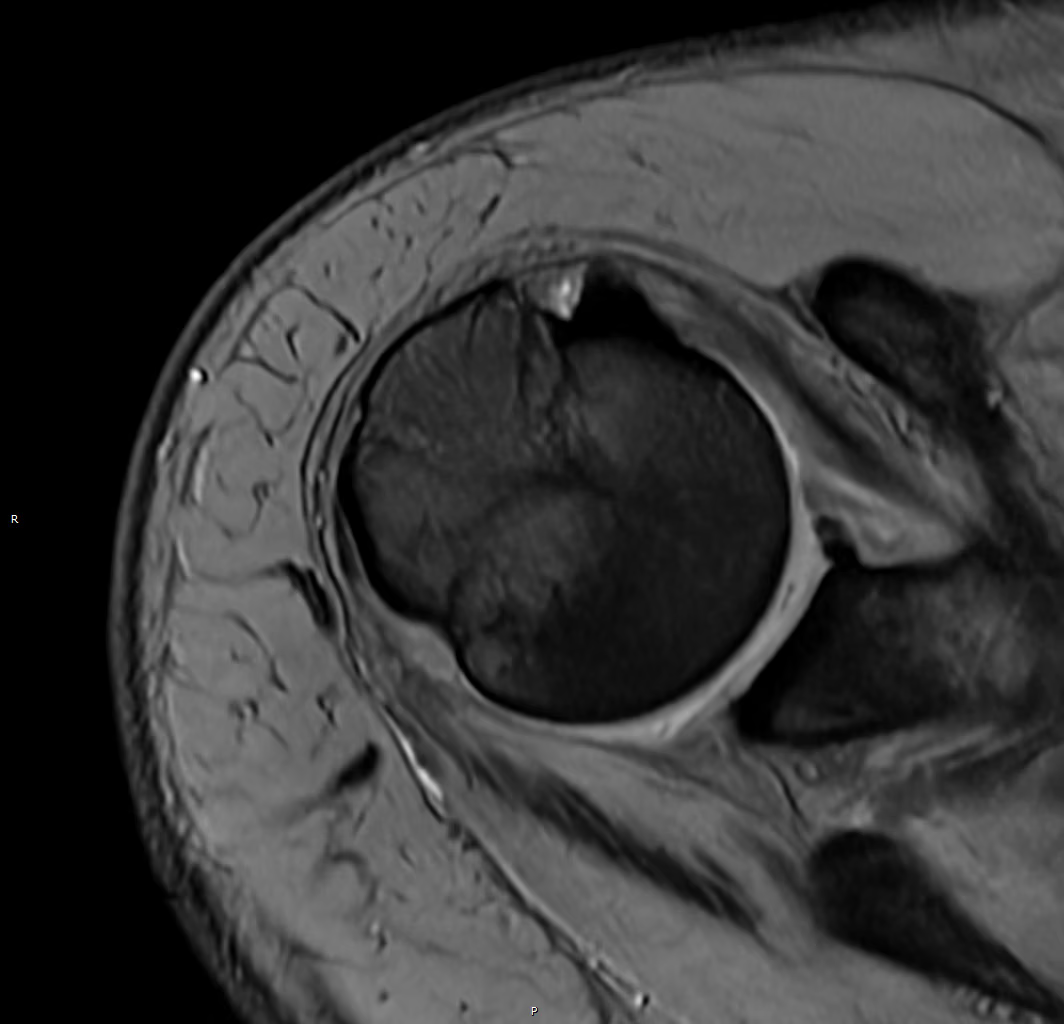
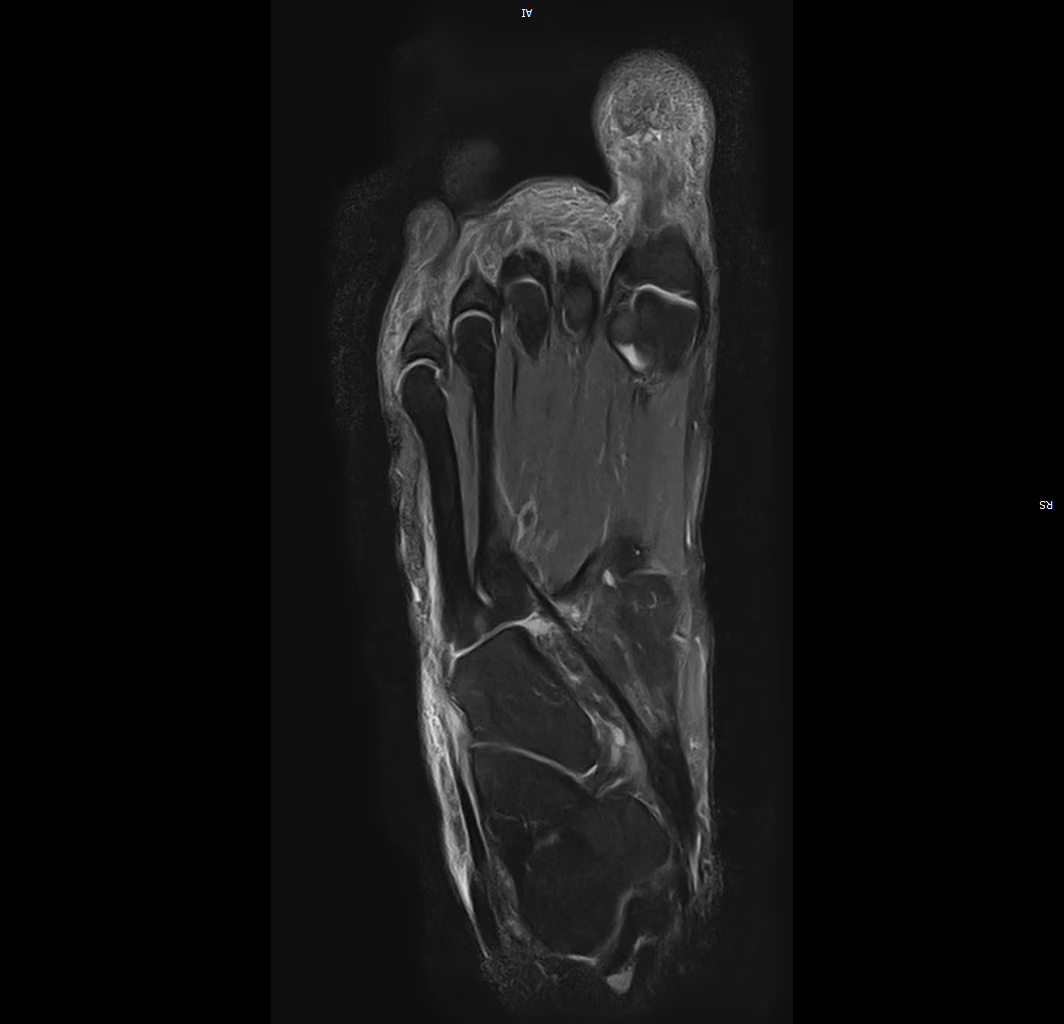
This site had a ten-year-old Philips Achieva that was due for replacement. Shoulder is an anatomy where SwiftMR makes impressive gains on any scanner: here the standard protocol came down from around 20 minutes to 11 to 12 minutes while image quality improved. That raised shoulder MRI volume by 60% and cut the appointment slot by 40%.
38% Avg. scan-time reduction
40% Shoulder appointment slot
60% Shoulder MRI volume
| Body part | Before | After | Reduction |
|---|---|---|---|
| Shoulder | 20:17 | 11:25 | 44% |
| L-Spine | 10:45 | 6:54 | 36% |
| Knee | 11:12 | 7:24 | 34% |
| Brain wo | 13:52 | 9:34 | 31% |
| C-Spine | 9:43 | 6:41 | 31% |
| Elbow | 14:03 | 9:52 | 30% |
| Ankle | 15:30 | 8:21 | 39% |
| Hand | 22:15 | 13:24 | 40% |
| Hip | 13:44 | 9:38 | 30% |
| Female Pelvis | 17:15 | 12:58 | 25% |
| Prostate | 26:29 | 20:07 | 24% |
Shoulder, same protocol.
Accelerated + SwiftMR
2 Improved image quality on scanners they couldn't replace
Philips Panorama HFO 1.0T (open, no upgrade path)
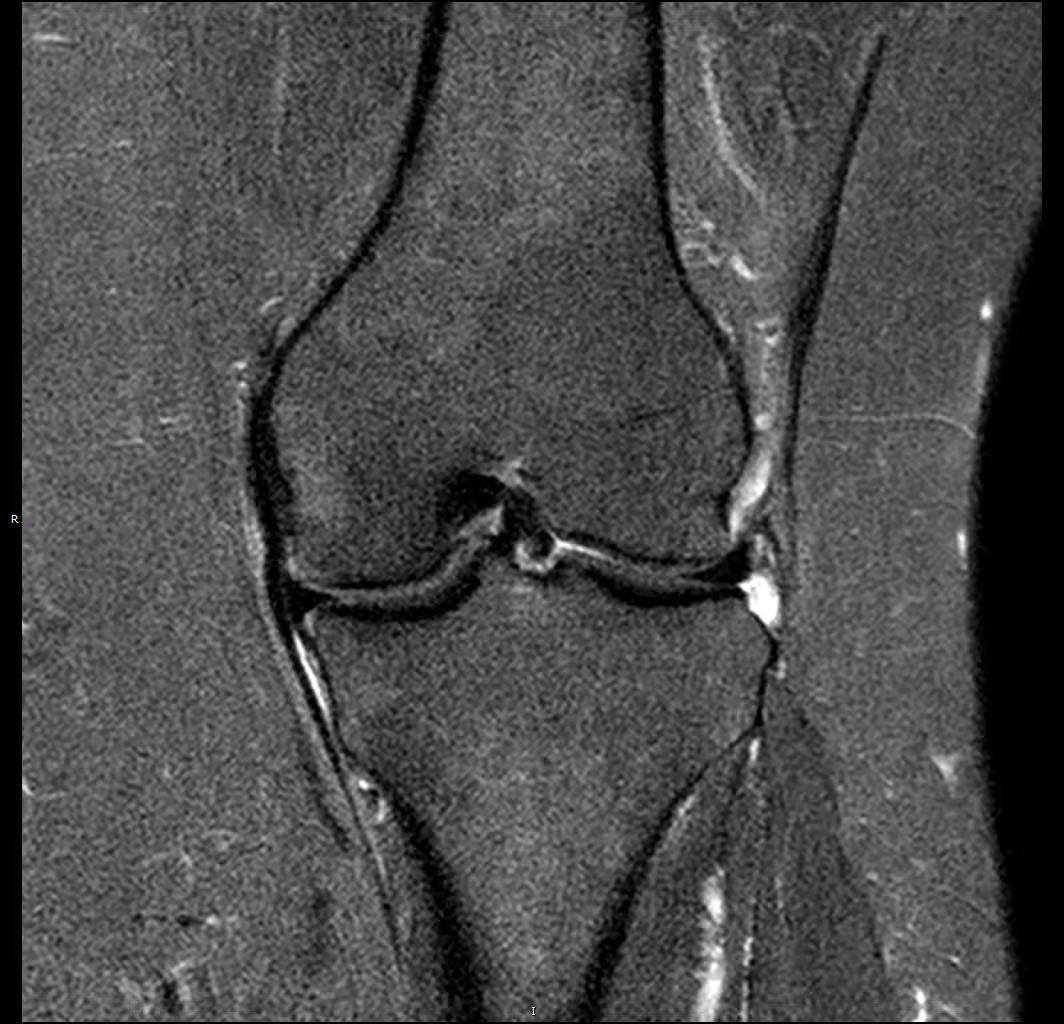
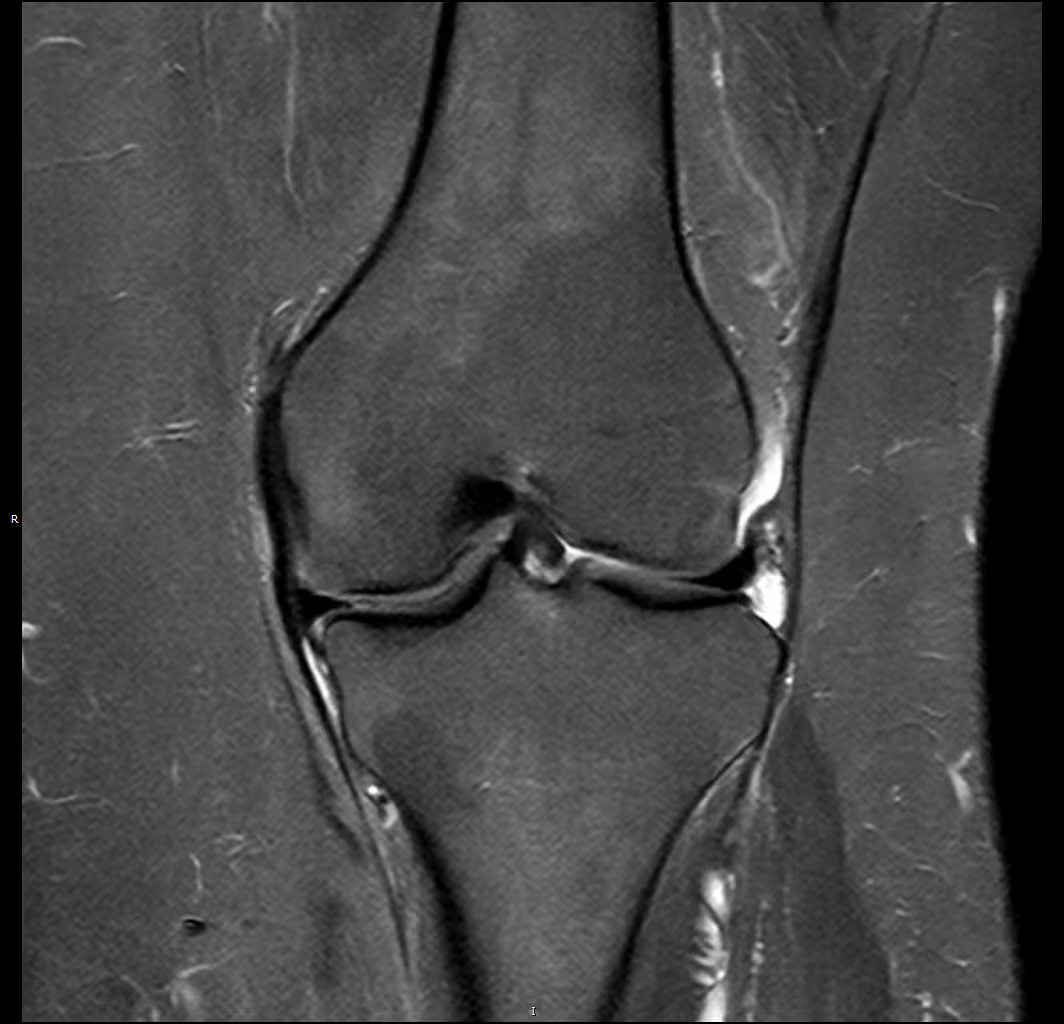
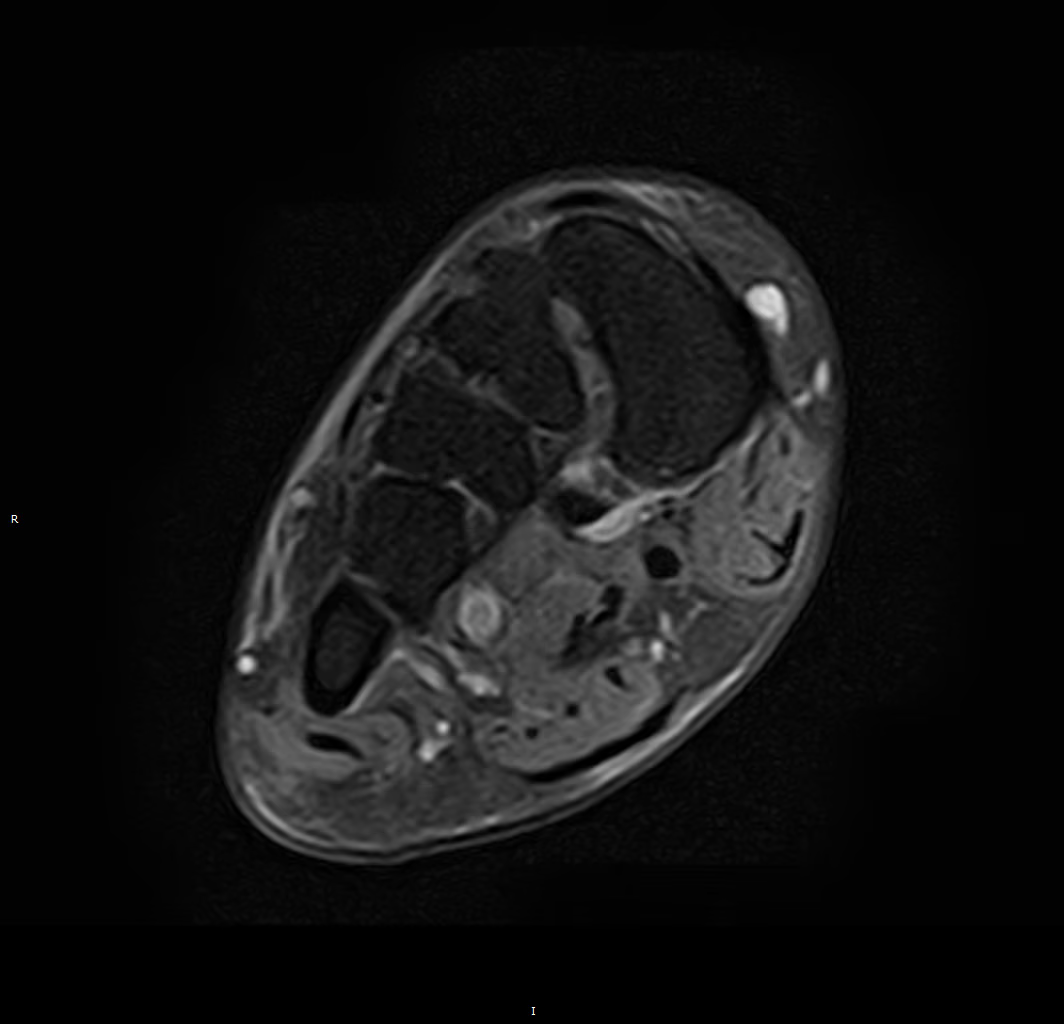
This site had an open 1.0T Panorama that hadn't had strong availability for six or seven years, the kind of system most teams would simply replace. Here HT Médica wanted more than acceleration; they were looking for better image quality, and got both at once.
33% Studies per day
30% Median study duration
| Body part | Before | After | Reduction |
|---|---|---|---|
| Shoulder | 24:40 | 11:33 | 53% |
| L-Spine | 10:45 | 6:54 | 41% |
| Knee | 14:12 | 10:22 | 31% |
| Brain wo | 18:33 | 13:17 | 28% |
| C-Spine | 12:40 | 8:23 | 34% |
| Elbow | 19:38 | 13:05 | 33% |
| Ankle | 14:45 | 8:48 | 40% |
| Hand | 18:12 | 10:51 | 40% |
| Hip | 22:11 | 12:52 | 42% |
| Female Pelvis | 23:55 | 15:10 | 36% |
| Prostate | 29:50 | 19:20 | 35% |
Knee, same protocol.
3:12 · 37% faster
3 Added value even on top of the vendor's own AI
Canon Galan 3T (running Canon AiCE)
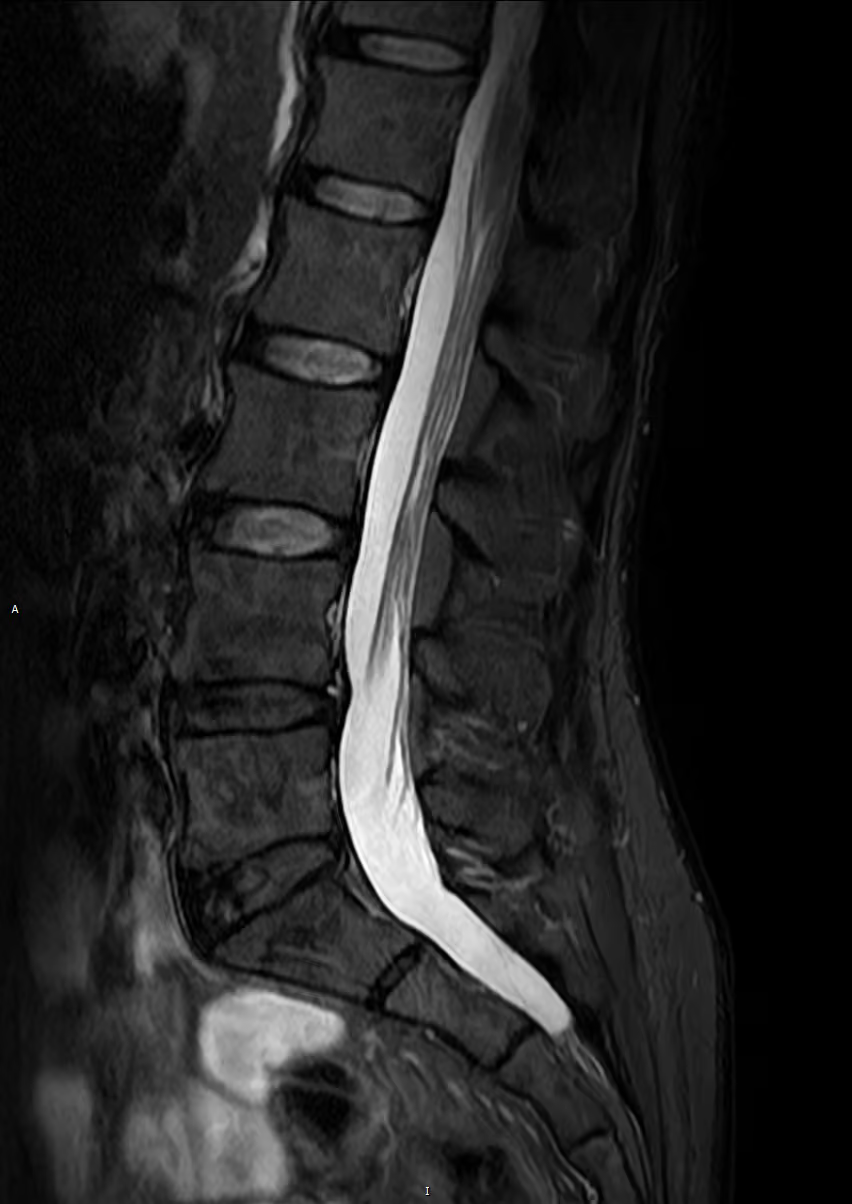
This site had a Canon Galan 3T running AiCE, Canon's AI-based denoising tool, with SwiftMR layered on top. On spine, that combination cut more than a minute from the acquisition while improving image quality. Set against PIQE, Canon's brand-new high-resolution AI tool, the AiCE-and-SwiftMR result looked similar at the same scan time.
27% Avg. scan-time reduction
19% Studies per day
25% Median study duration
| Body part | Before | After | Reduction |
|---|---|---|---|
| Shoulder | 9:46 | 7:38 | 22% |
| L-Spine | 12:10 | 9:50 | 19% |
| Knee | 11:15 | 9:05 | 20% |
| Brain wo | 23:54 | 19:37 | 18% |
| C-Spine | 11:12 | 8:23 | 25% |
| Elbow | 13:44 | 8:43 | 36% |
| Ankle | 11:13 | 8:12 | 27% |
| Hand | 12:38 | 8:53 | 28% |
| Hip | 18:34 | 12:23 | 33% |
| Female Pelvis | 21:31 | 16:10 | 25% |
| Prostate | 26:45 | 20:03 | 25% |
Wrist comparison from Canon Galan 3T at matched scan time.
PIQE 1:53 AiCE 1:53 AiCE + SwiftMR 1:53
3D Flair from Canon Galan 3T. Middle column shows vendor AI solution and SwiftMR working together.
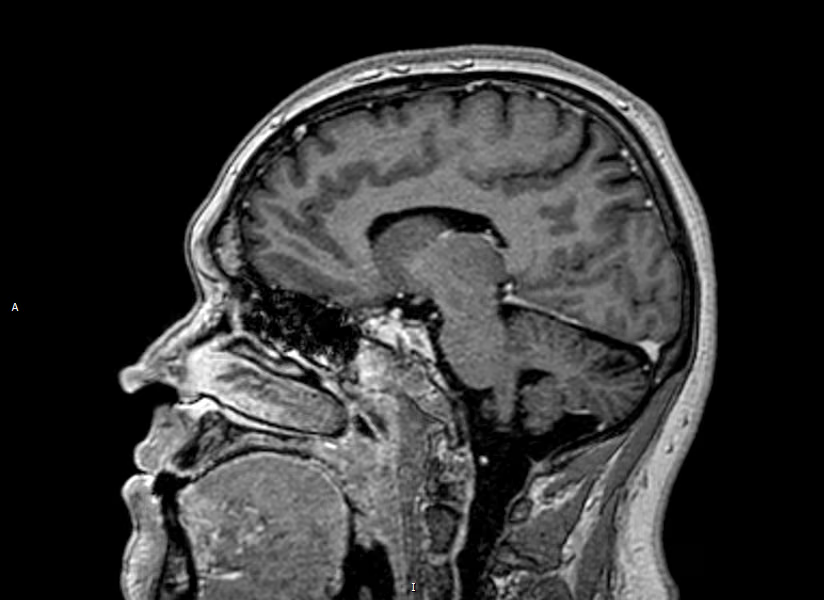
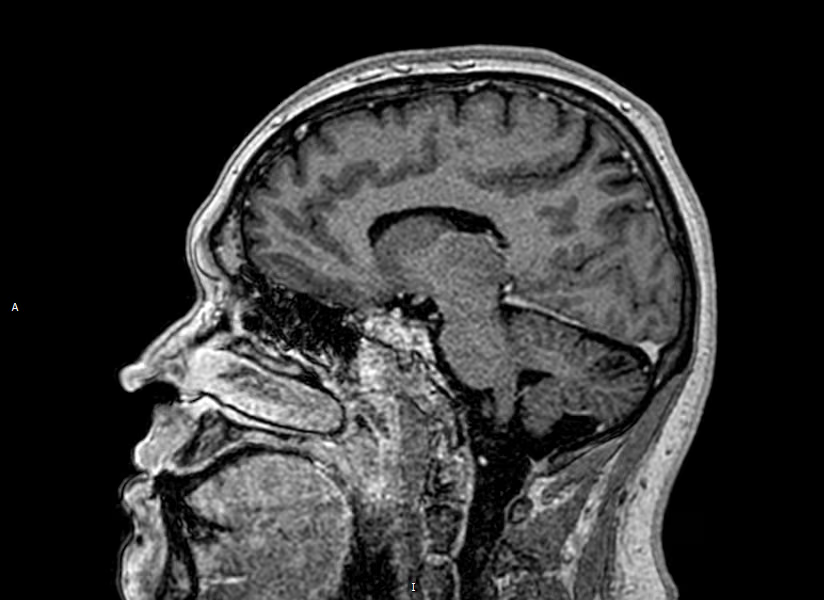
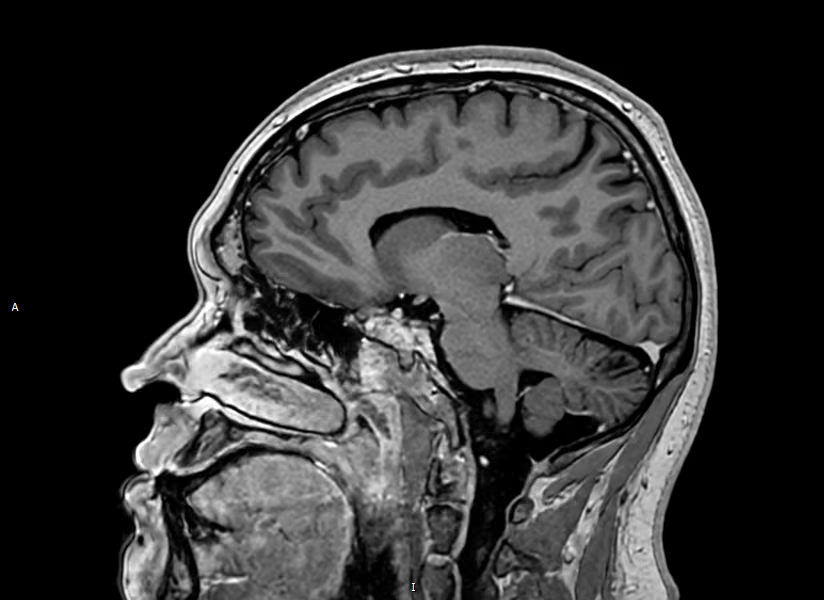
AiCE 4:53 AiCE + SwiftMR 4:53 SwiftMR 4:53
Additional results
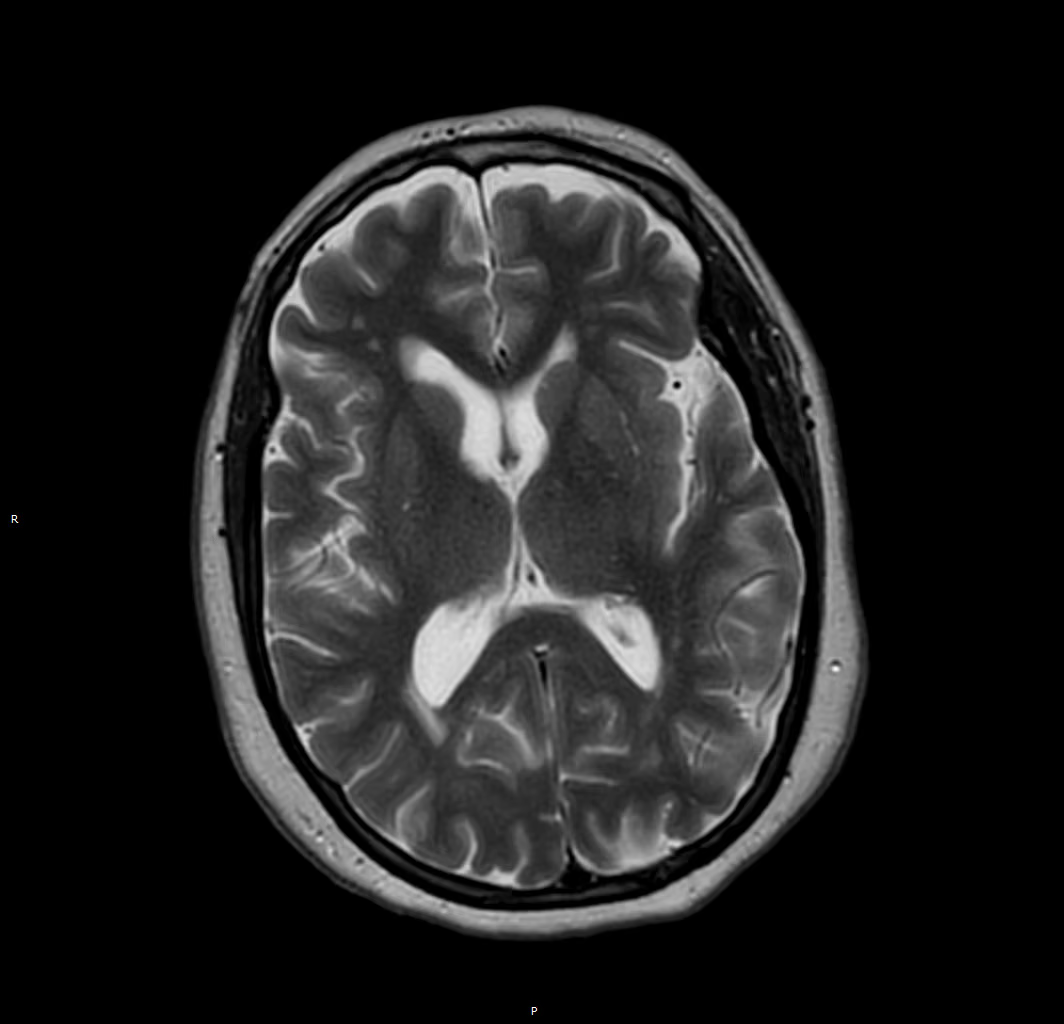
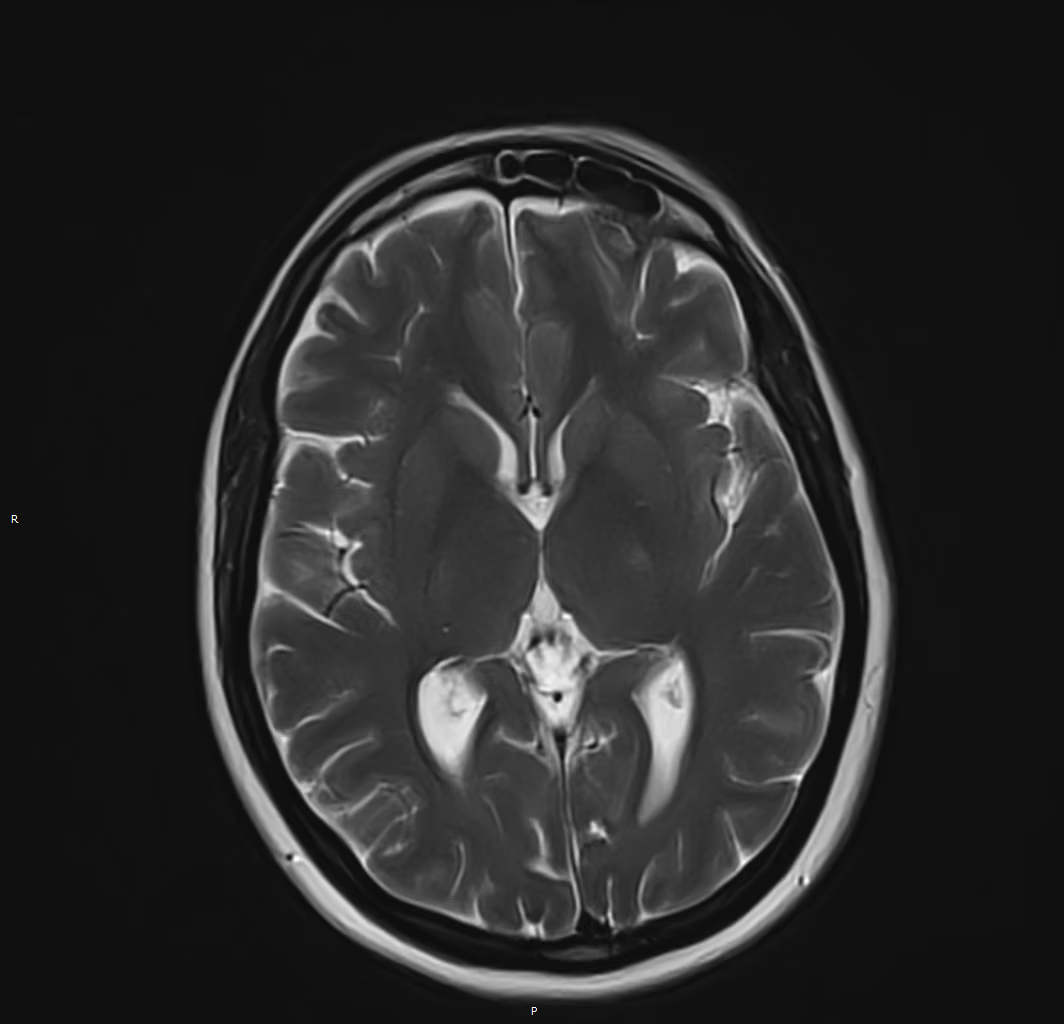
Brain · 34% average reduction across 11 protocols.
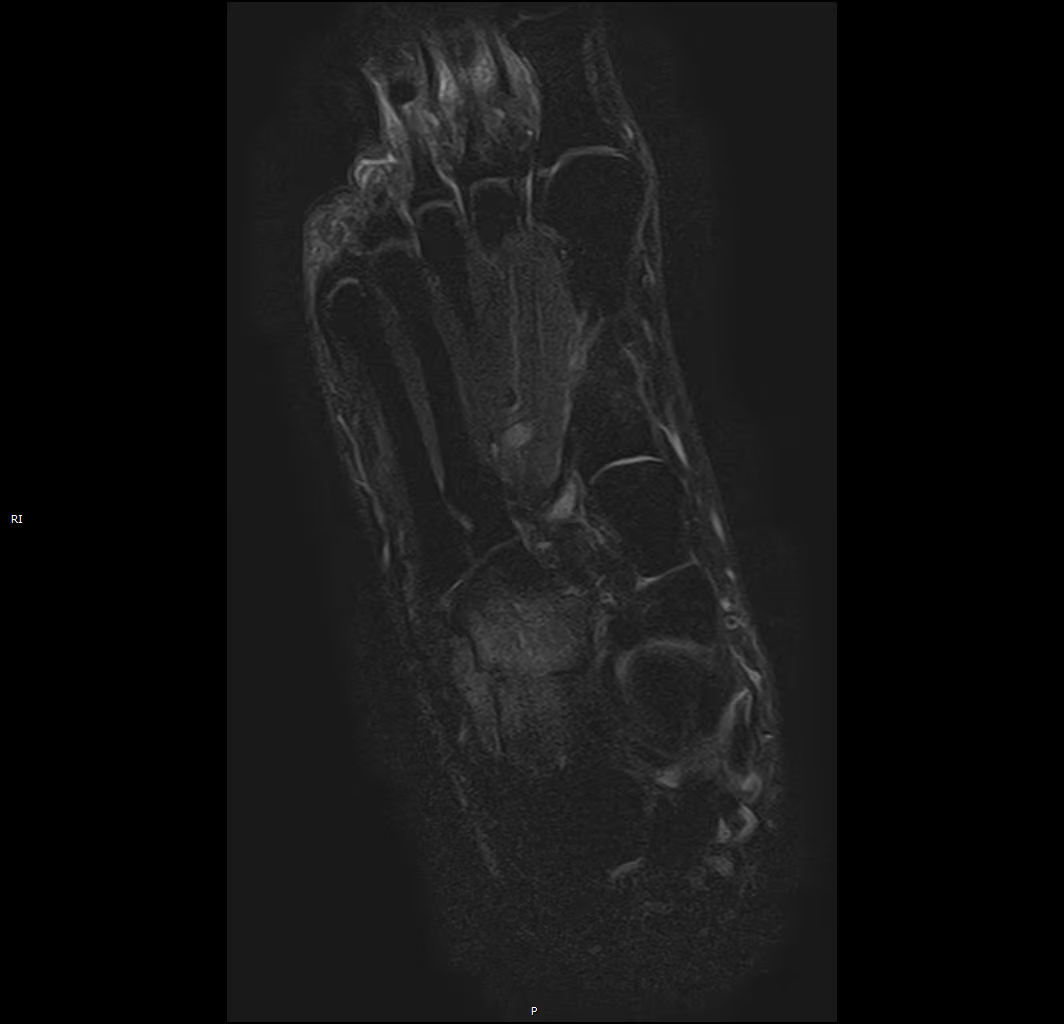
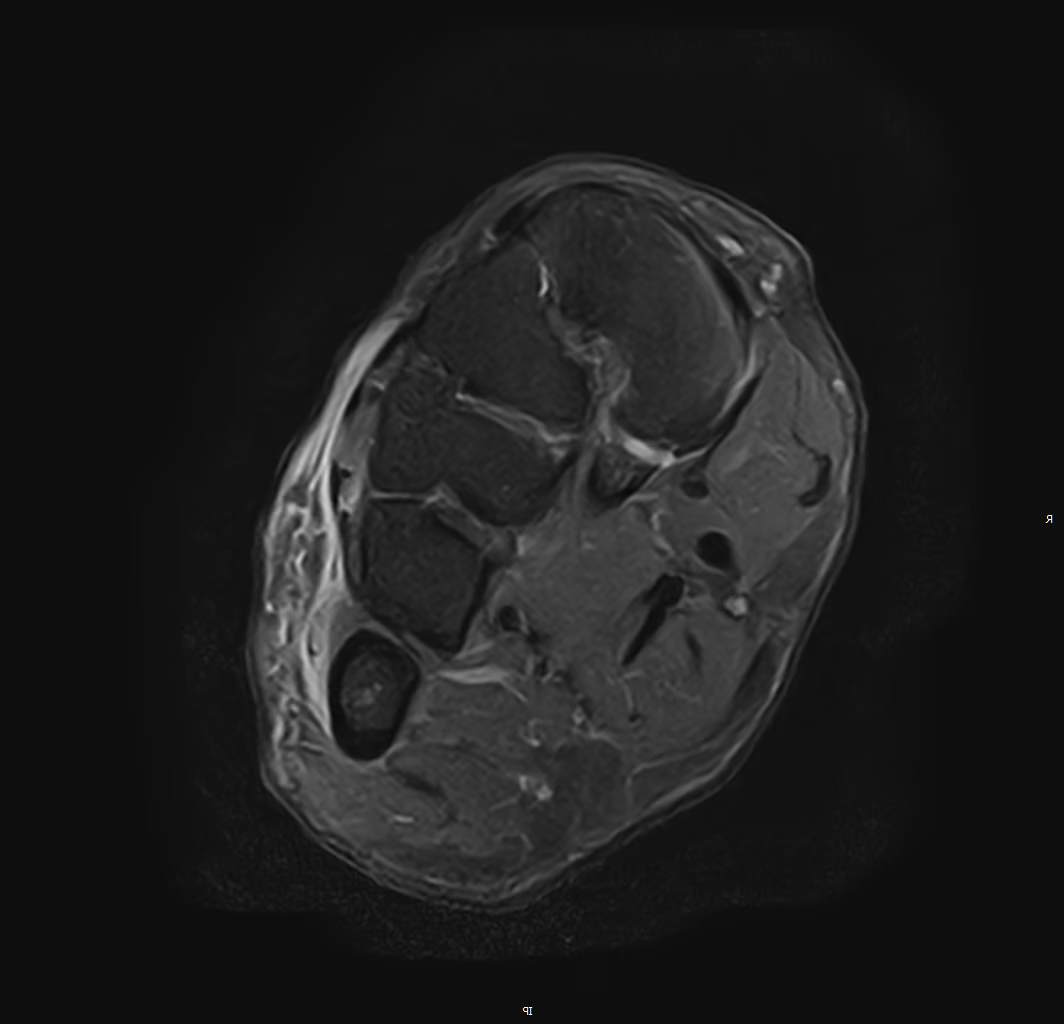
MSK · 30% average reduction (not the same patient).
1:55 · 29% faster
MSK · 30% average reduction.
2:19 · 38% faster
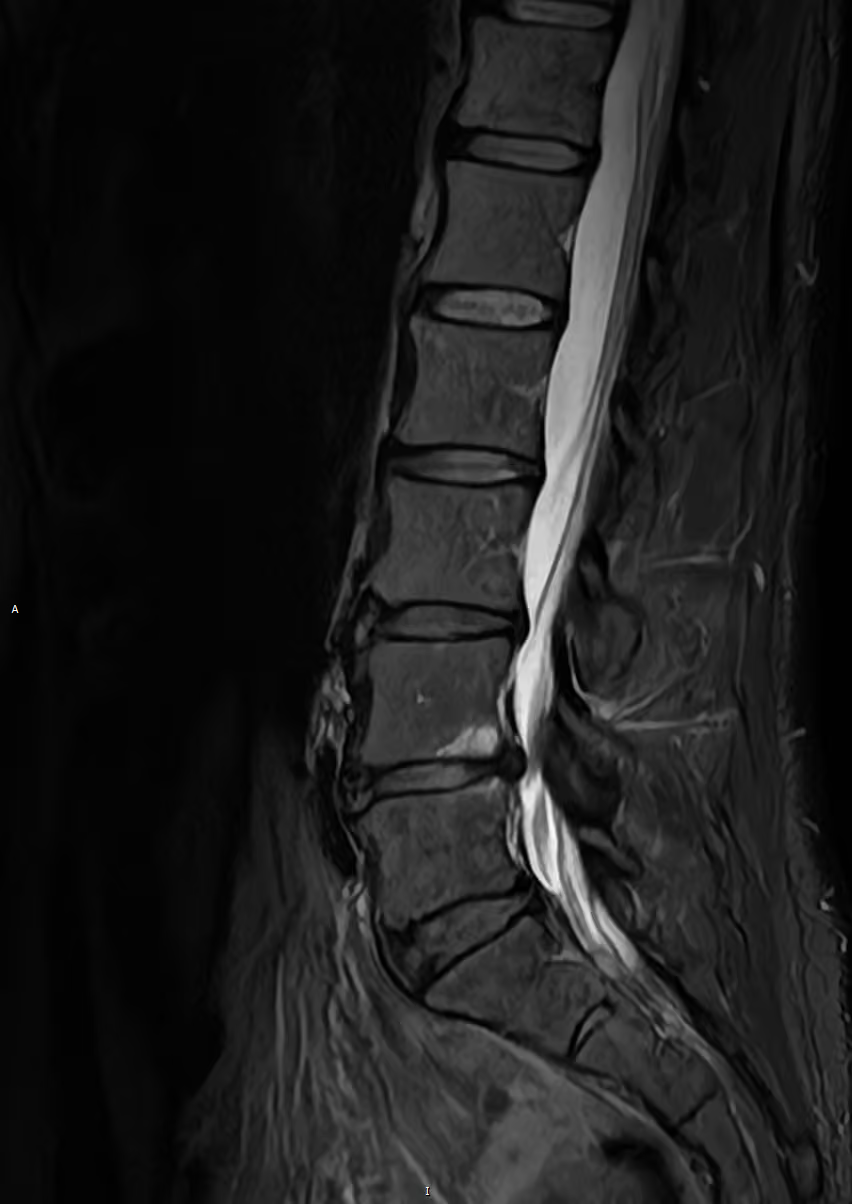
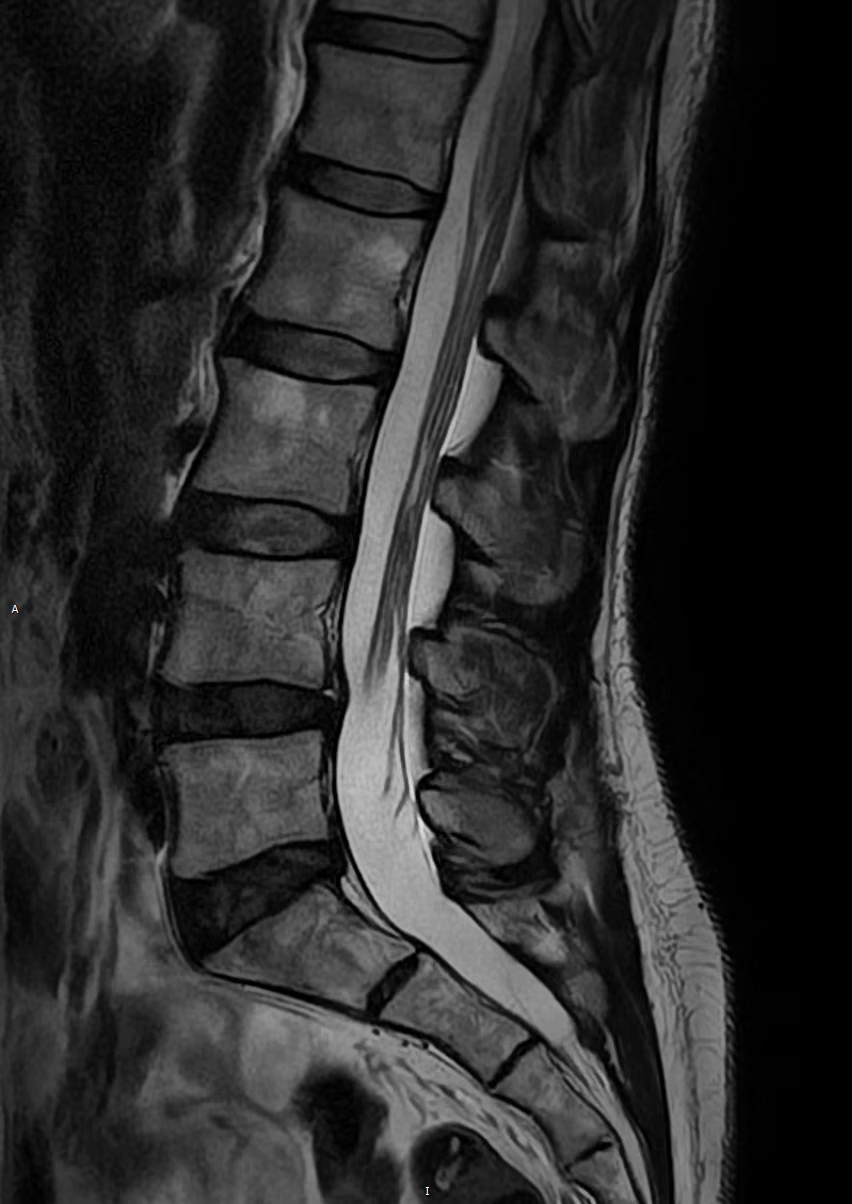
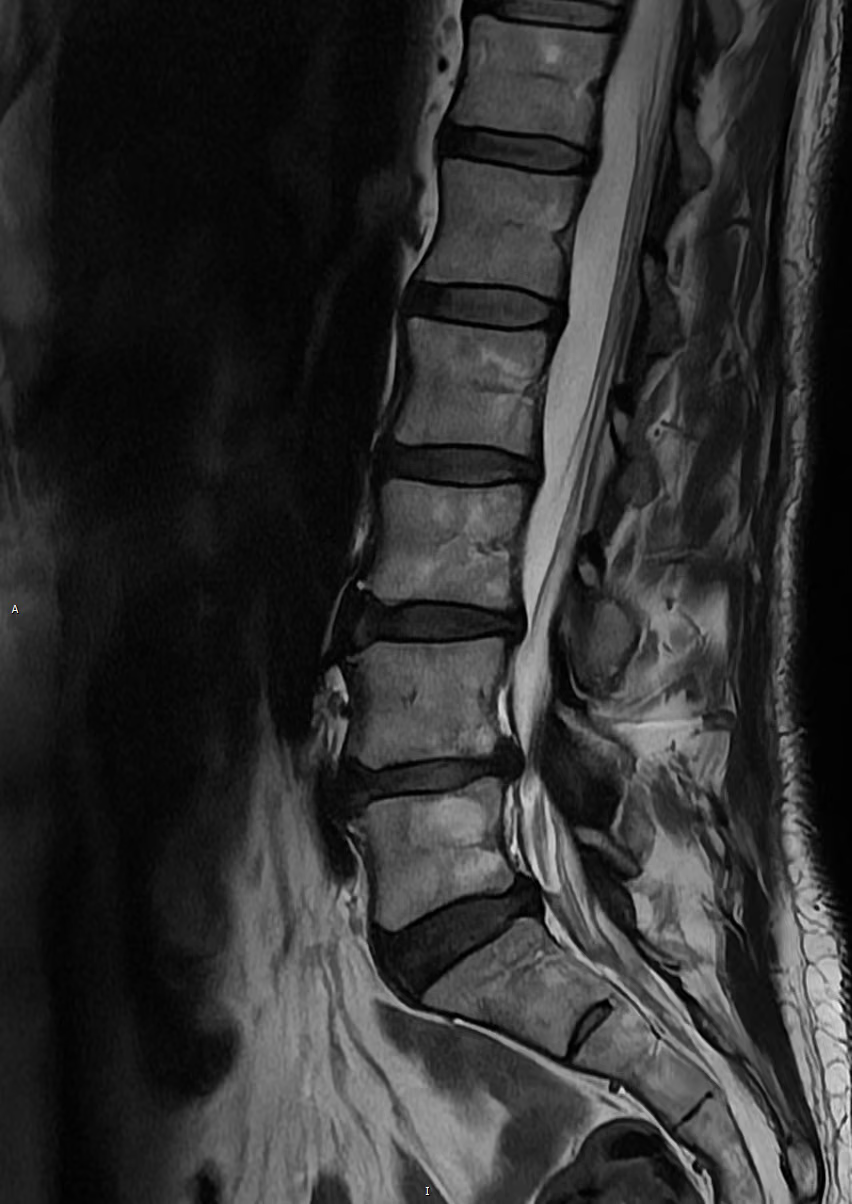
Lumbar spine, AiCE alone versus AiCE with SwiftMR.
AiCE + SwiftMR
A legacy 1.5T with SwiftMR matched or beat a newer scanner running without AI, at a shorter scan time.
Philips Ambition X, no AI
Essenza + SwiftMR
Conclusion
Across one of Spain's most heterogeneous fleets, from a ten-year-old Philips Achieva to a Canon Galan 3T running the vendor's own AI, SwiftMR delivered on several fronts at once. It harmonised image quality across sites, vendors, and technology generations, produced immediate operational productivity gains, and extended the clinical and economic life of fully amortised legacy systems without compromising image quality or throughput. On modern scanners already running native AI reconstruction, it still added measurable value.
SwiftMR has proven to be an effective solution for harmonising image quality across our sites, vendors, and technology generations. It delivers immediate operational productivity gains, and shows its value even on modern systems already equipped with native AI reconstruction.”
Dr. Antonio Luna, Radiologist & Chief Research Officer HT Médica
Want to standardise image quality across your scanner fleet?
SwiftMR improves image quality and cuts scan times on the scanners you already own, whatever the vendor. See what it can do on your fleet.
SwiftMR® is a CE-marked medical device under the EU Medical Device Regulation (Regulation (EU) 2017/745): an AI-powered MRI image enhancement solution for noise reduction and increased image sharpness on MRI images in DICOM format. Supported body parts, pulse sequences, field strengths, patient populations, and MRI manufacturers may vary by country.
Results shown reflect HT Médica's experience on Philips Achieva 1.5T, Siemens Essenza 1.5T, Philips Panorama HFO 1.0T, Canon Elan 1.5T, and Canon Galan 3T systems, as presented at the ECR 2026 Satellite Symposium. Outcomes vary by scanner model, field strength, pulse sequence, clinical protocol, and operational baseline; individual practices should not expect identical results.
This page is intended for healthcare professionals.
© 2026 AIRS Medical Inc. SwiftMR® is a registered trademark of AIRS Medical Inc.