AI in Clinical Practice: The Added Value of SwiftMR® for DICOM images on legacy and new scanners
Presented by Radiologie Team at the ECR 2026 Satellite Symposium
Rising expectations, an aging fleet
The Challenge:Scanners spanning two decades
The Solution:Vendor-agnostic AI for the entire fleet
Faster scans across the fleet, even on top of vendor AI
One standard of speed and image quality
Want to get more out of every scanner in your fleet?
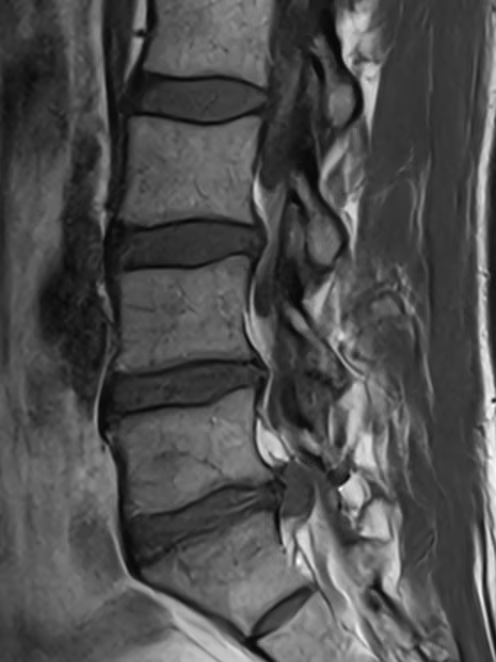
Scan times cut nearly in half
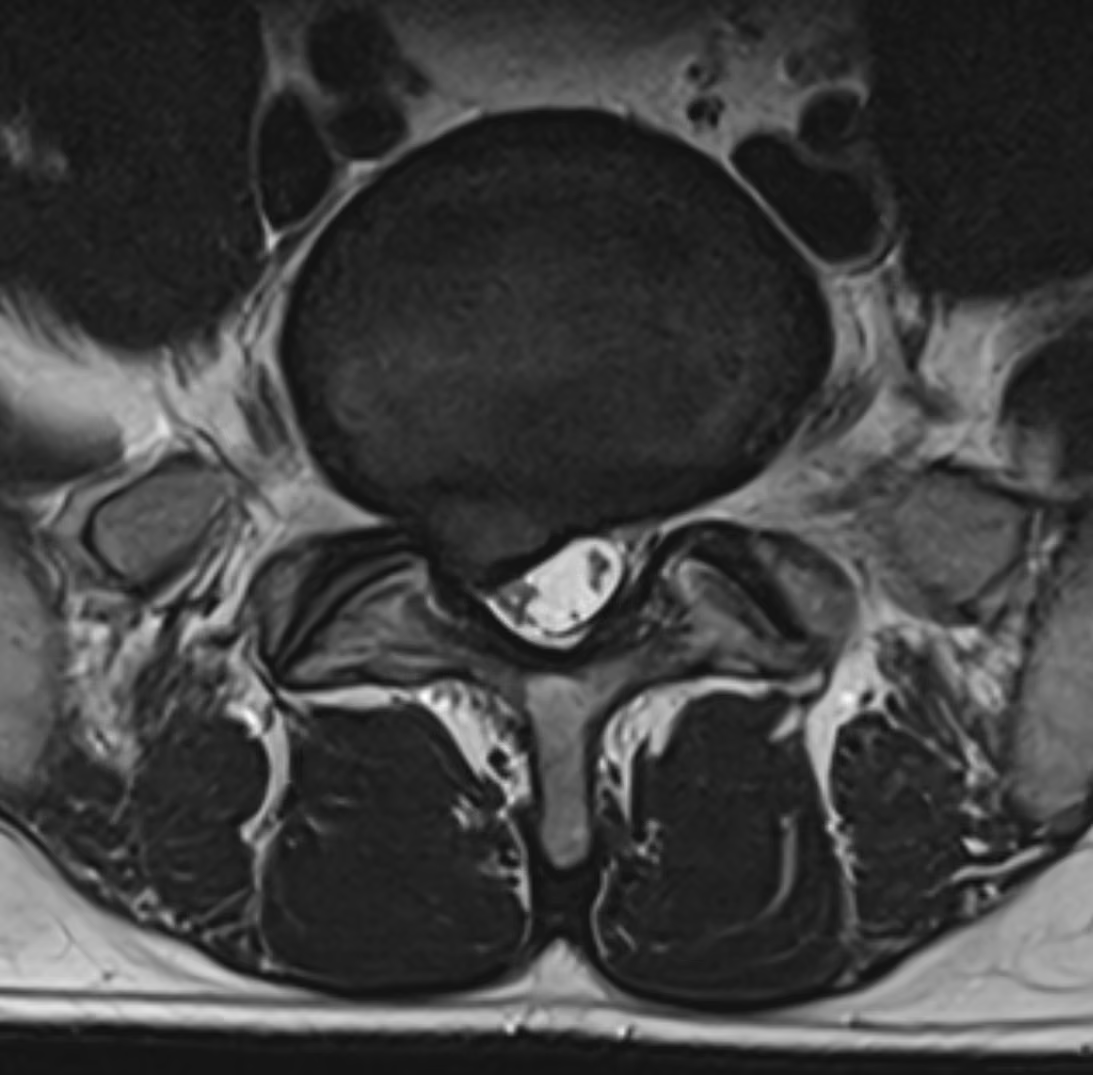
Further acceleration on top of Deep Resolve Boost
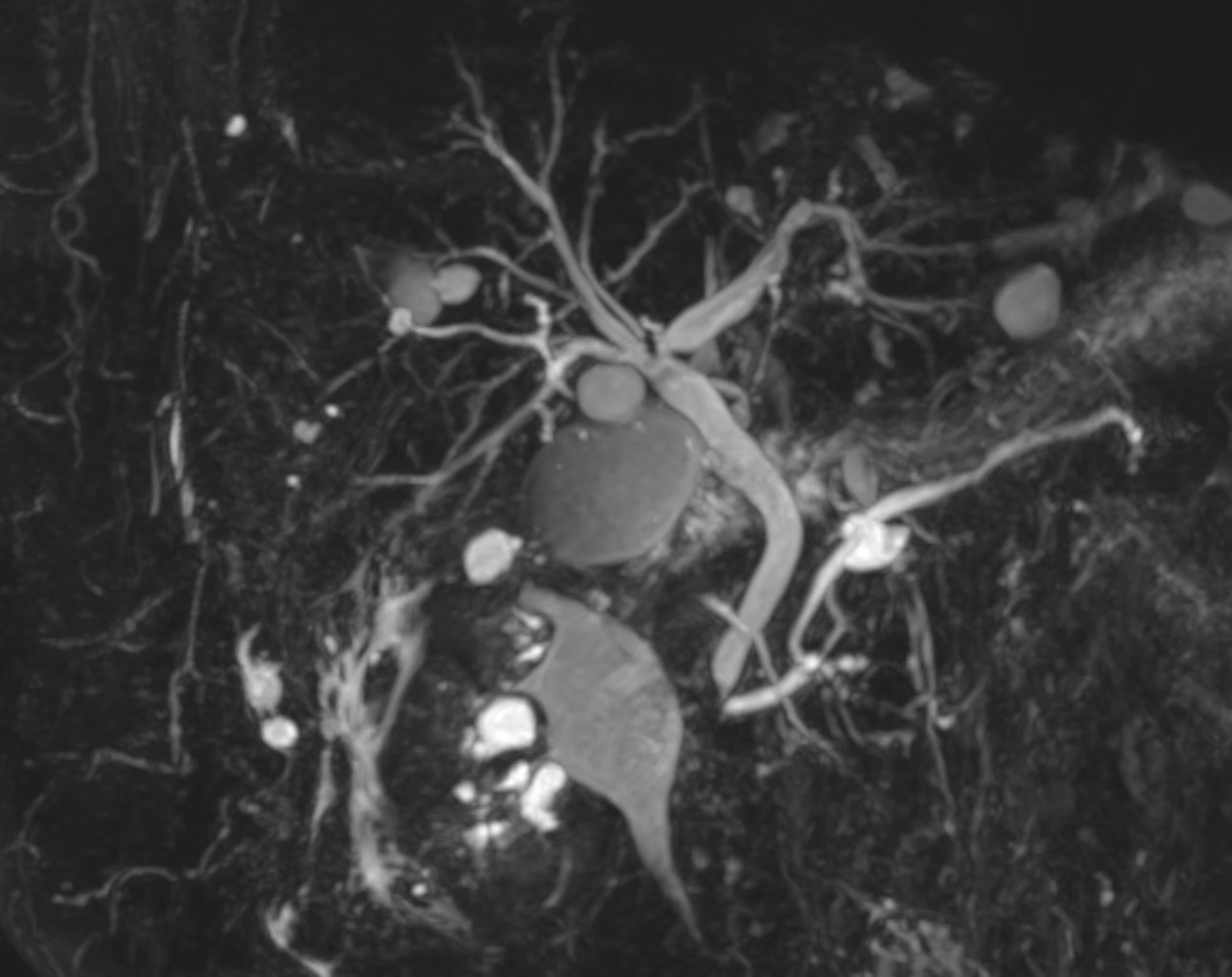
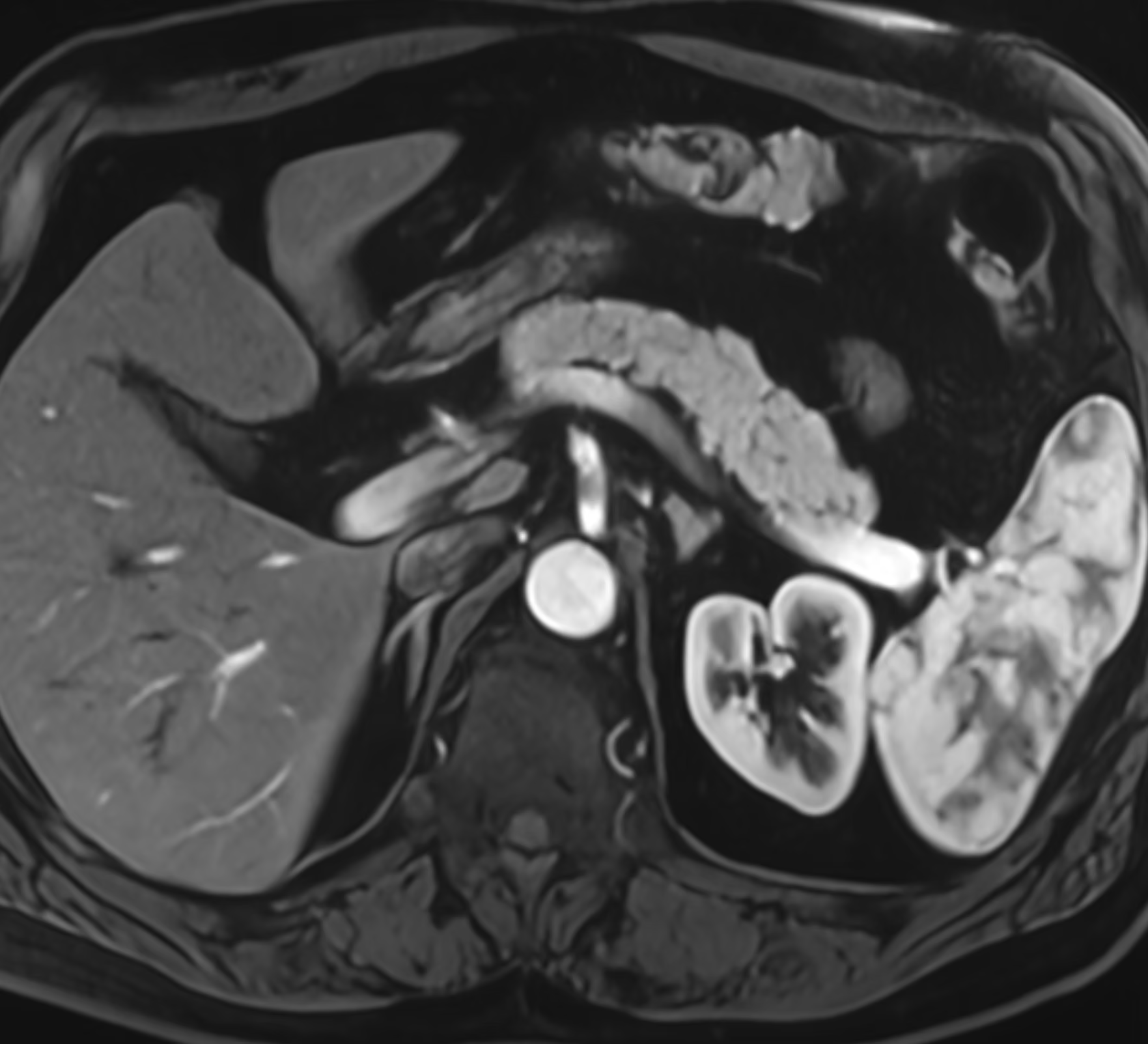
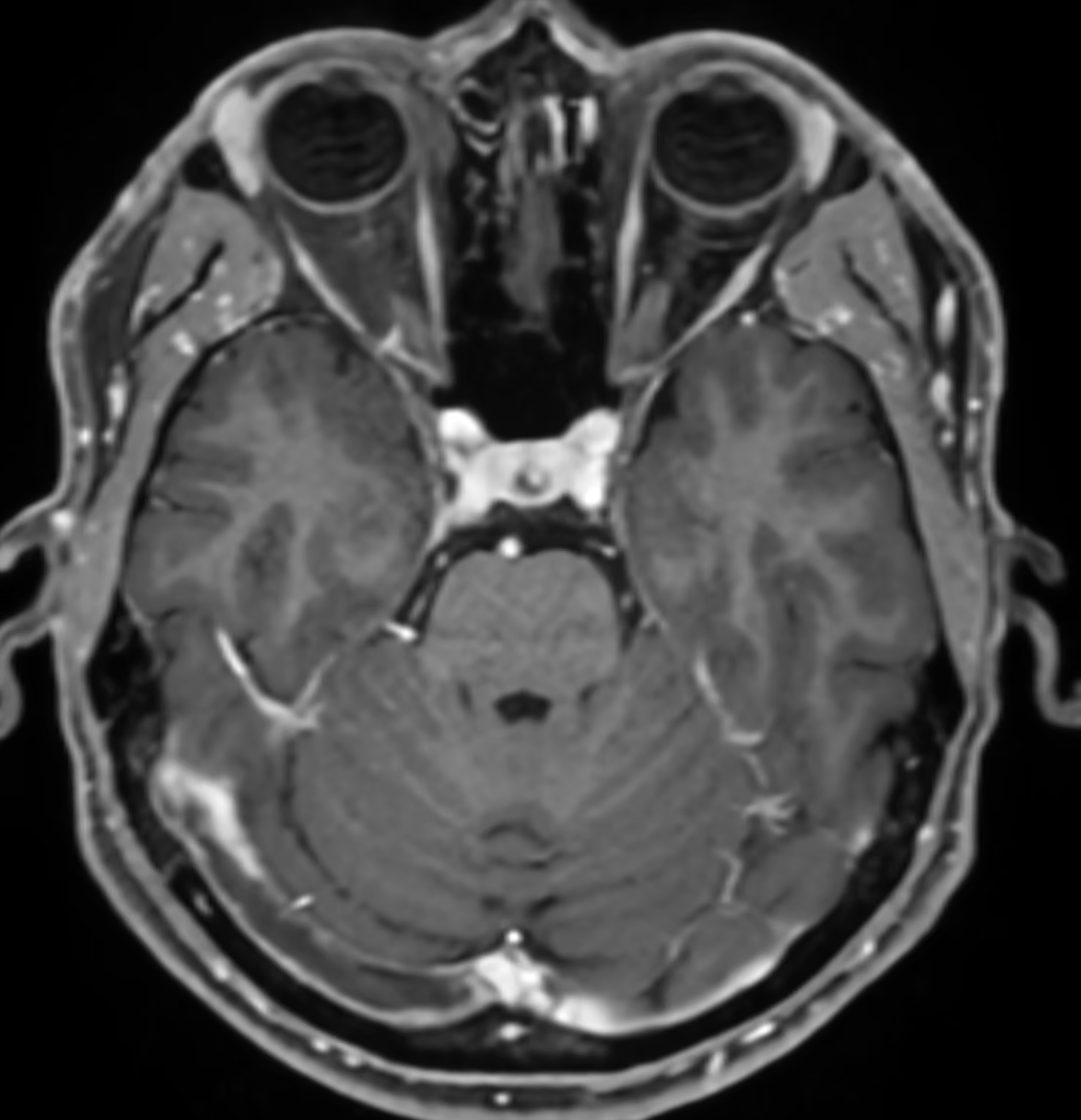
3D, vessels, and contrast-enhanced studies
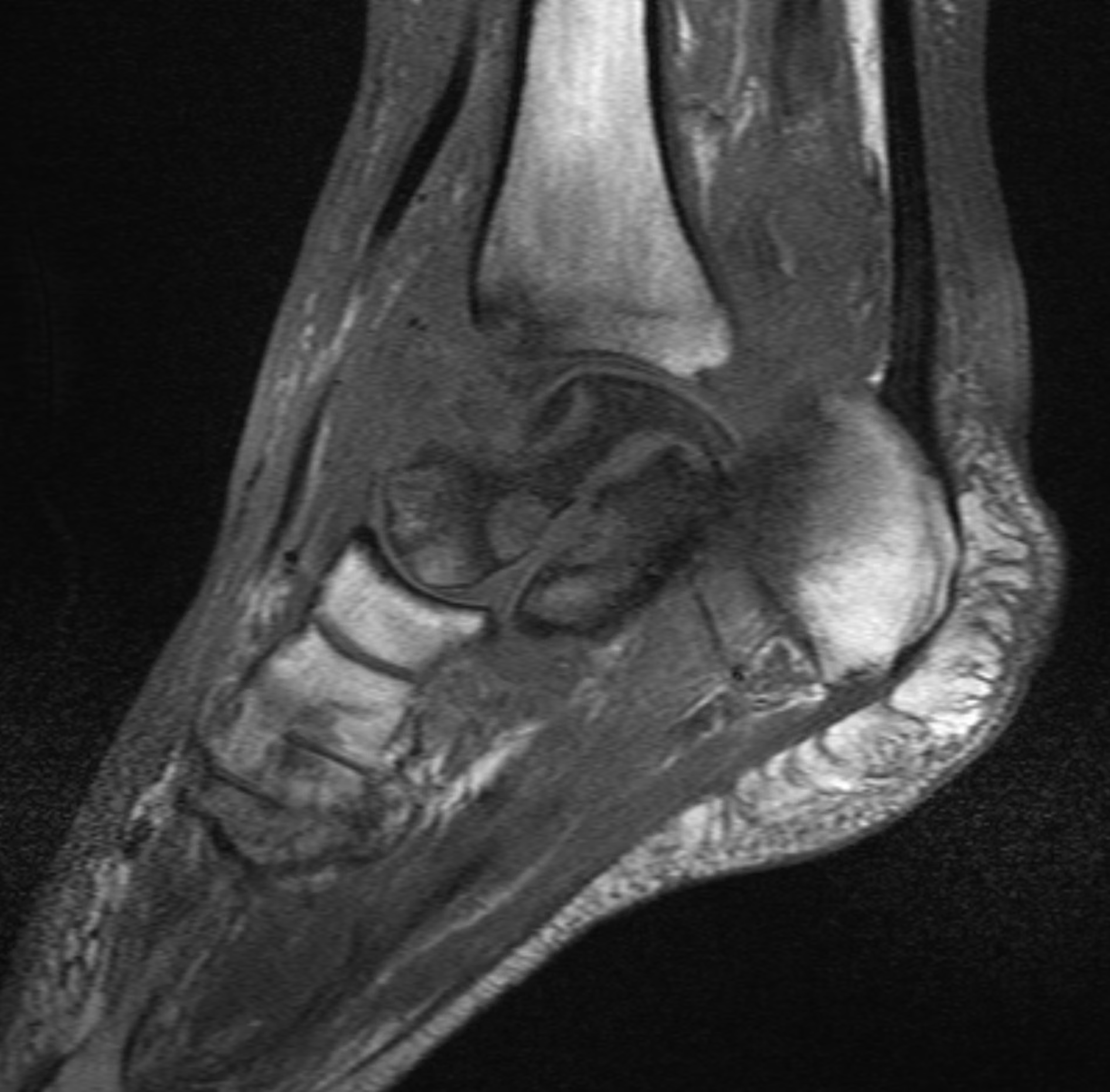
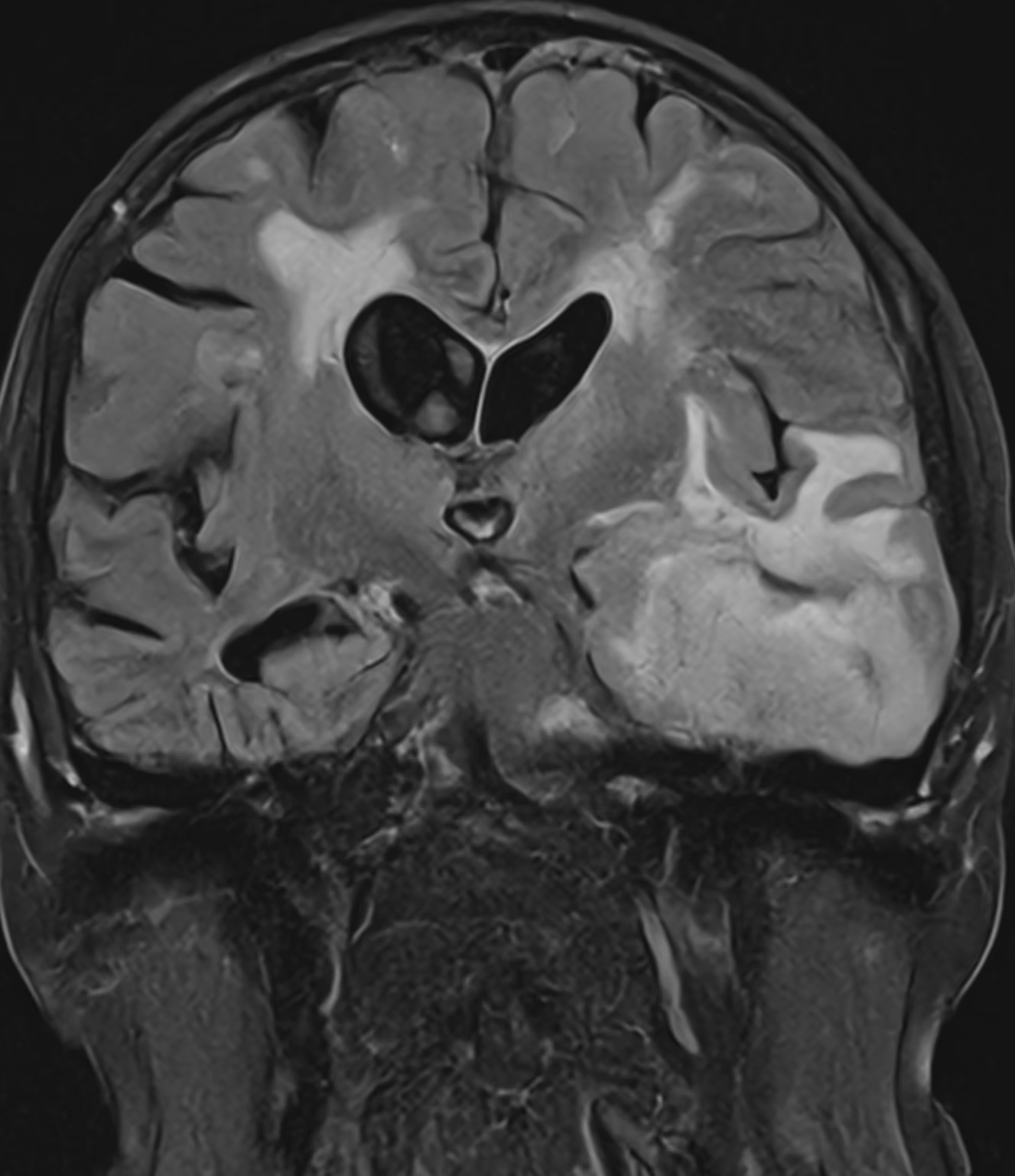
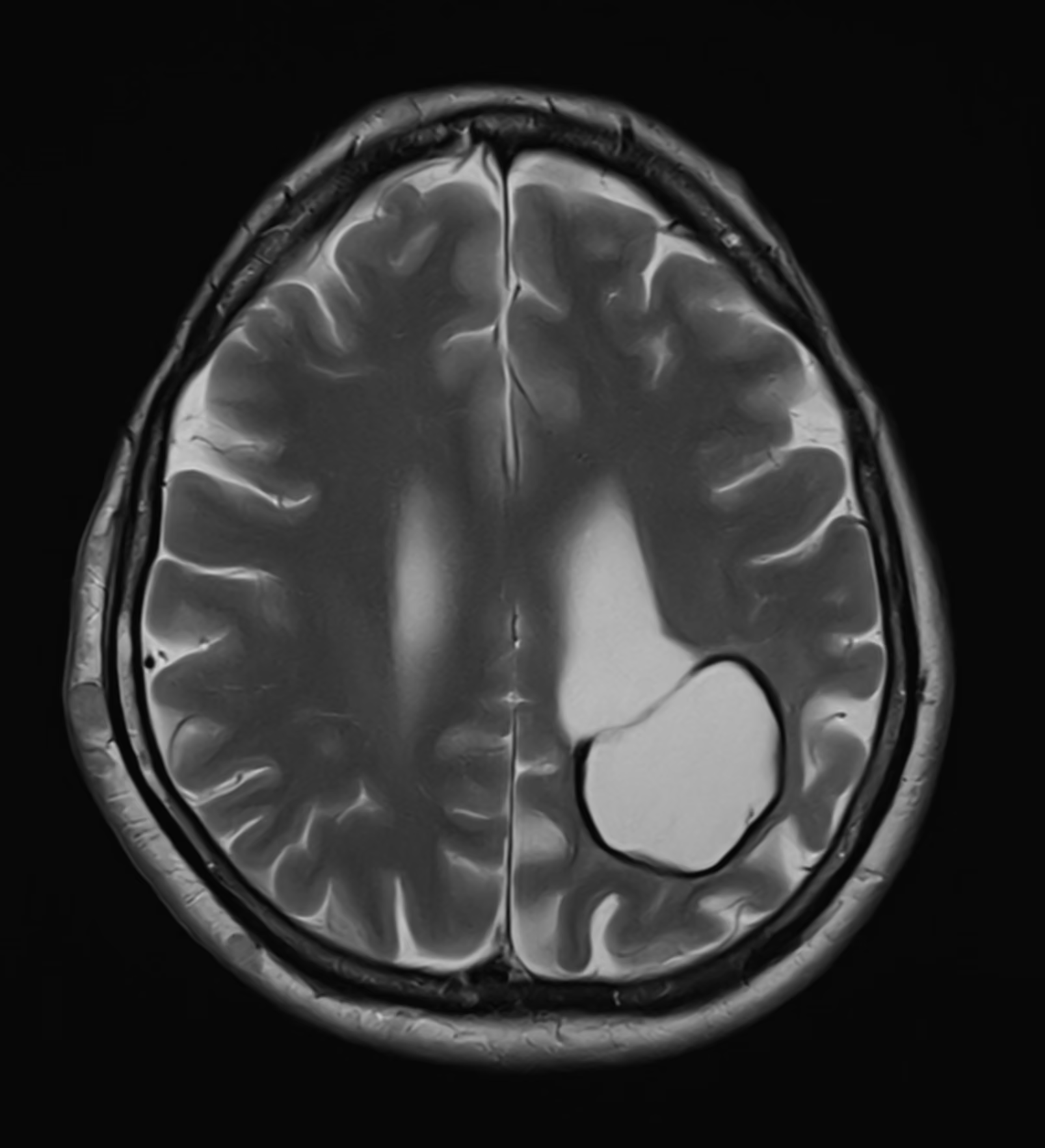
More examples
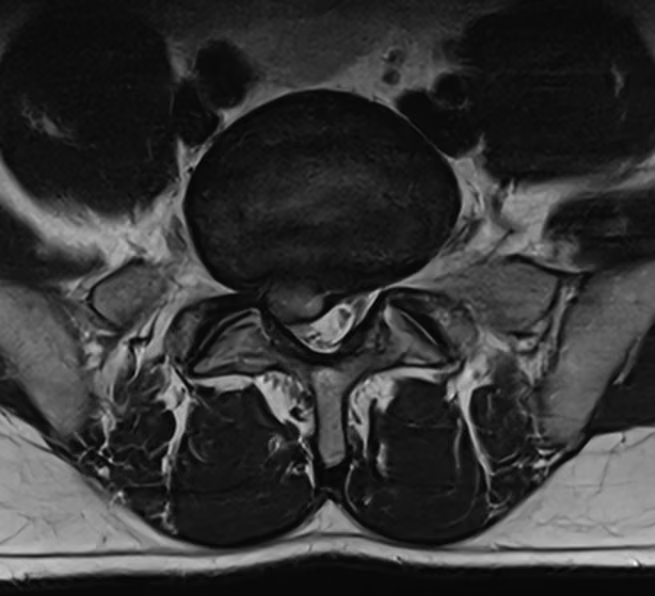
On a 2004 scanner, SwiftMR cut scan times nearly in half. On the newest scanners, already running Siemens Deep Resolve Boost, it cut them by up to 37% more, with no loss of image quality.
Radiologist and nuclear medicine physician
PD Dr. Tobias Baumann is a radiologist at Radiologie Team, an outpatient practice in Germany’s Ortenau region with sites in Offenburg, Lahr, and Waldkirch. He is double board-certified in radiology and nuclear medicine, holds a habilitation in radiology, and trained at the University Hospitals of Freiburg and Basel, with a subspecialty focus on musculoskeletal, body, and cardiac MRI.
Radiologie Team runs four major MRI sites in southwest Germany, serving the full range of outpatient radiology cases. Demand for MRI keeps growing, and so do expectations:
What patients and referrers expect
What the practice has to balance
The pressure lands on the scanner fleet. Every year of operation, the gap widens between what the newest equipment can offer and what older scanners are licensed to do.
Radiologie Team's entire fleet comes from one vendor: Siemens, all at 1.5T. But the scanners span two decades, and each generation unlocks a different level of acceleration and AI reconstruction.
When the practice rolled out Siemens Deep Resolve Boost on its newer scanners, the Avanto fell behind in speed and image appearance, and replacing it was not an option.
Radiologie Team looked for a solution that would get the most out of every scanner it already owned, legacy and newest alike, and bring image quality to a common standard across the fleet.
Radiologie Team deployed SwiftMR, which processes DICOM images after acquisition and is not tied to any vendor’s platform or software version. One tool covered the whole fleet:
To show that one tool could unify the whole fleet on a single standard, Radiologie Team tested SwiftMR across its full range: the oldest scanner, the newest ones already running the vendor’s own AI, and the sequence types that vendor AI cannot accelerate.
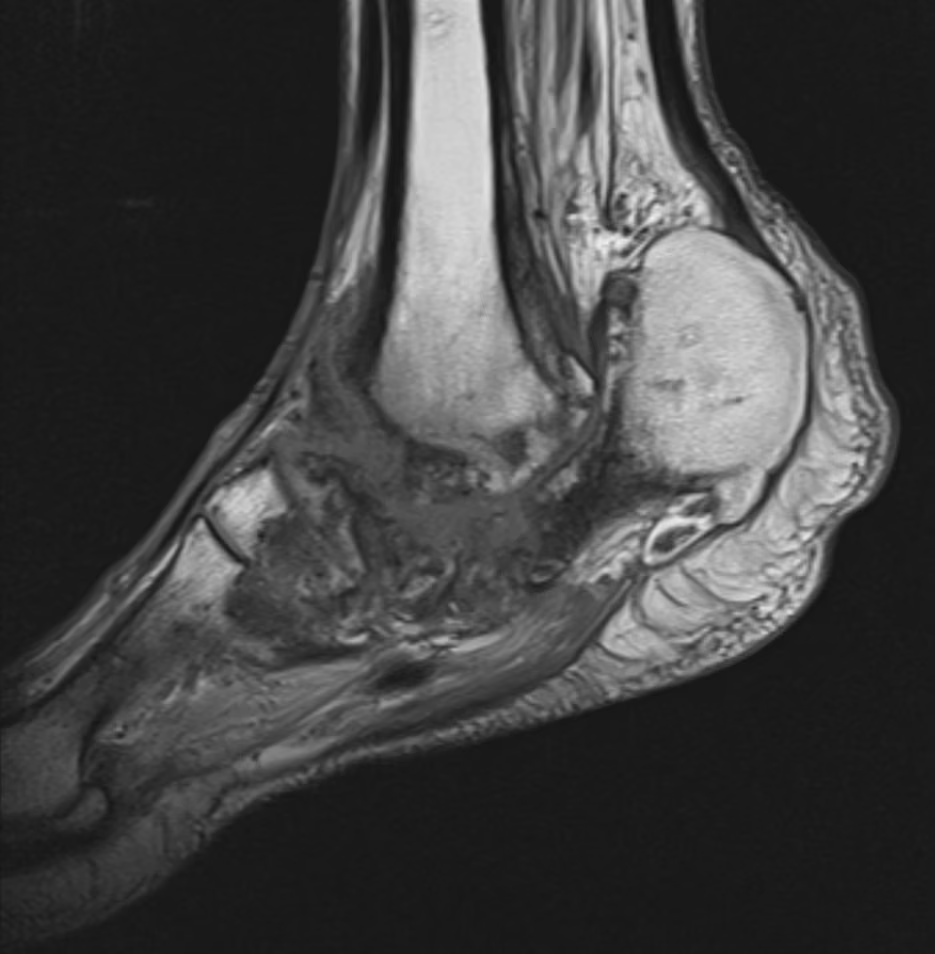
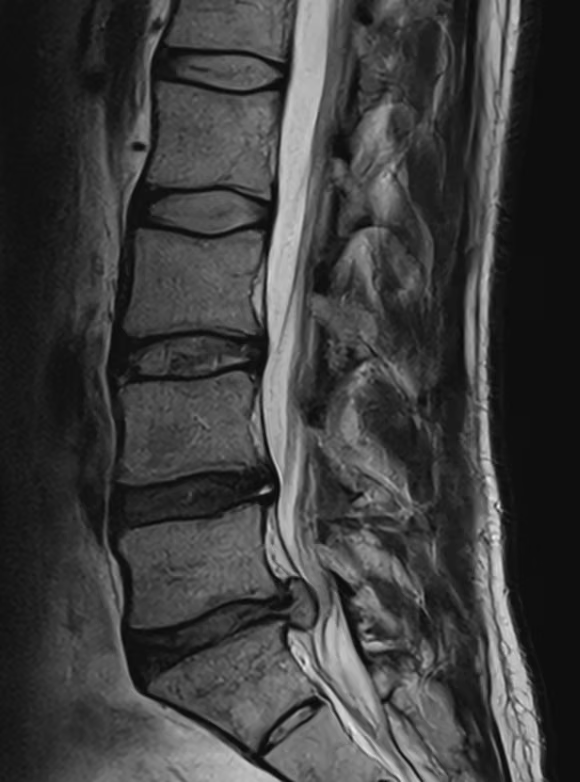
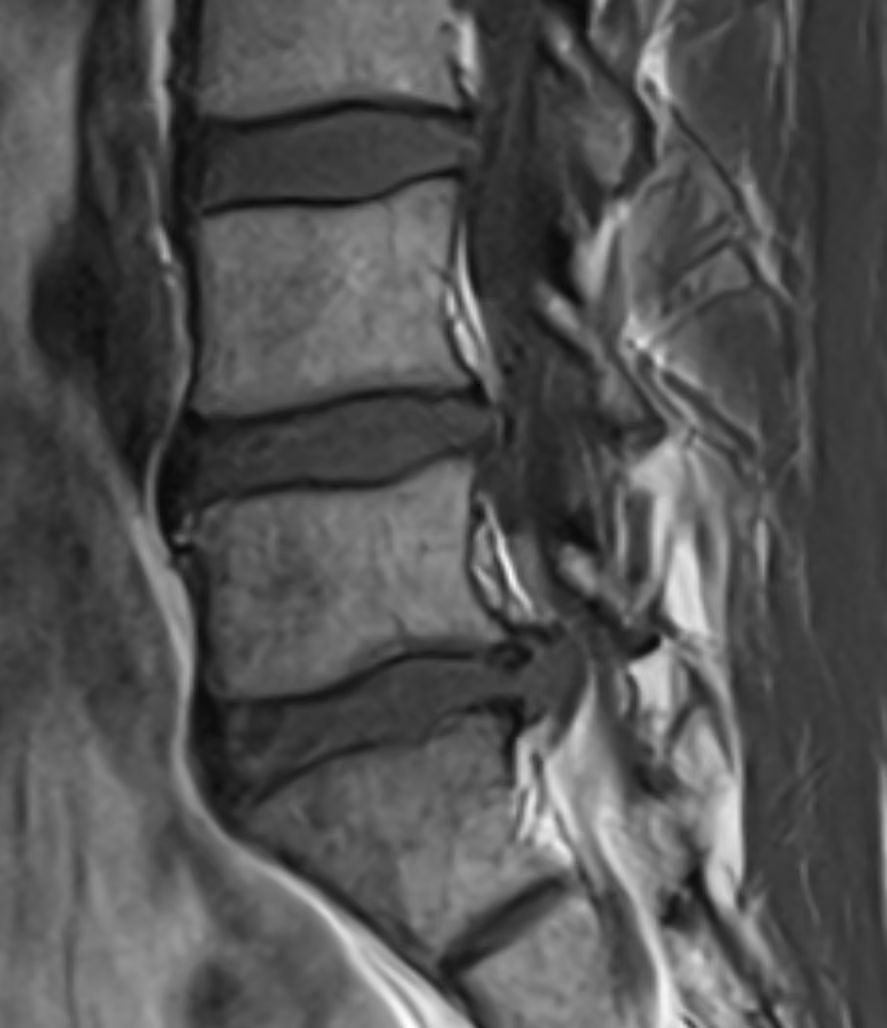
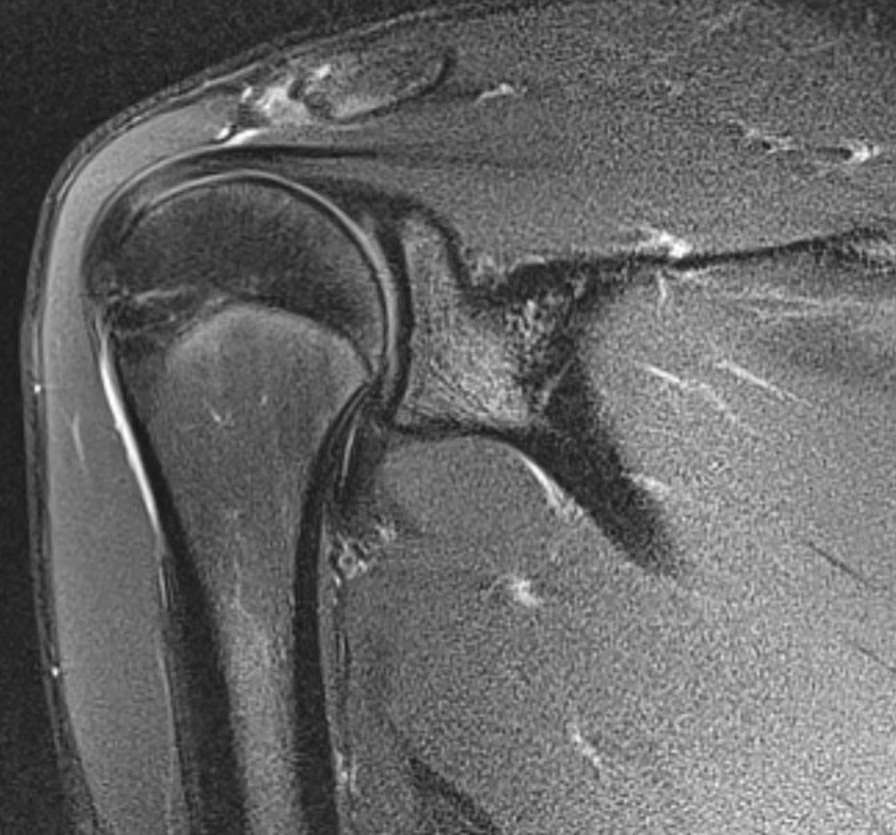
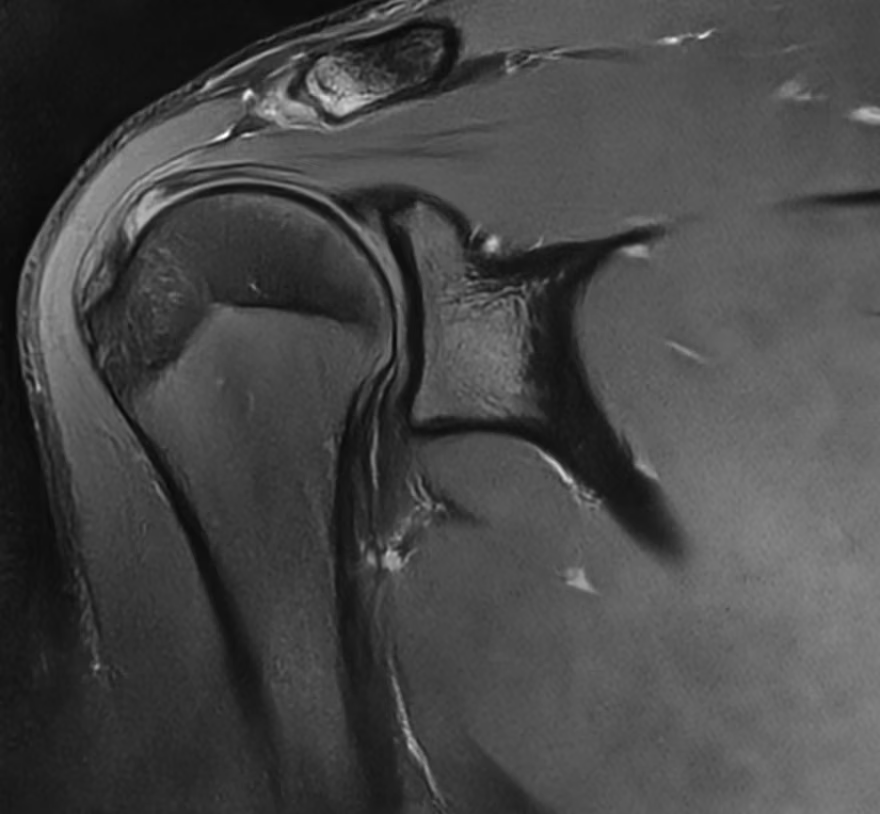
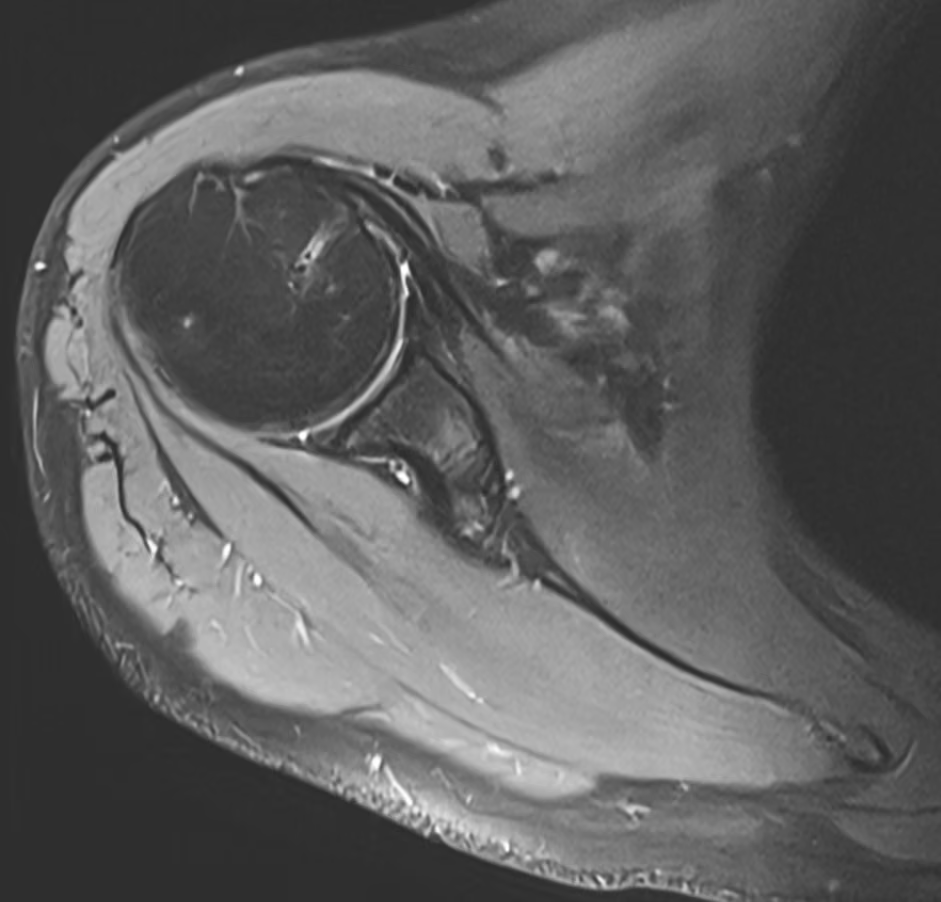
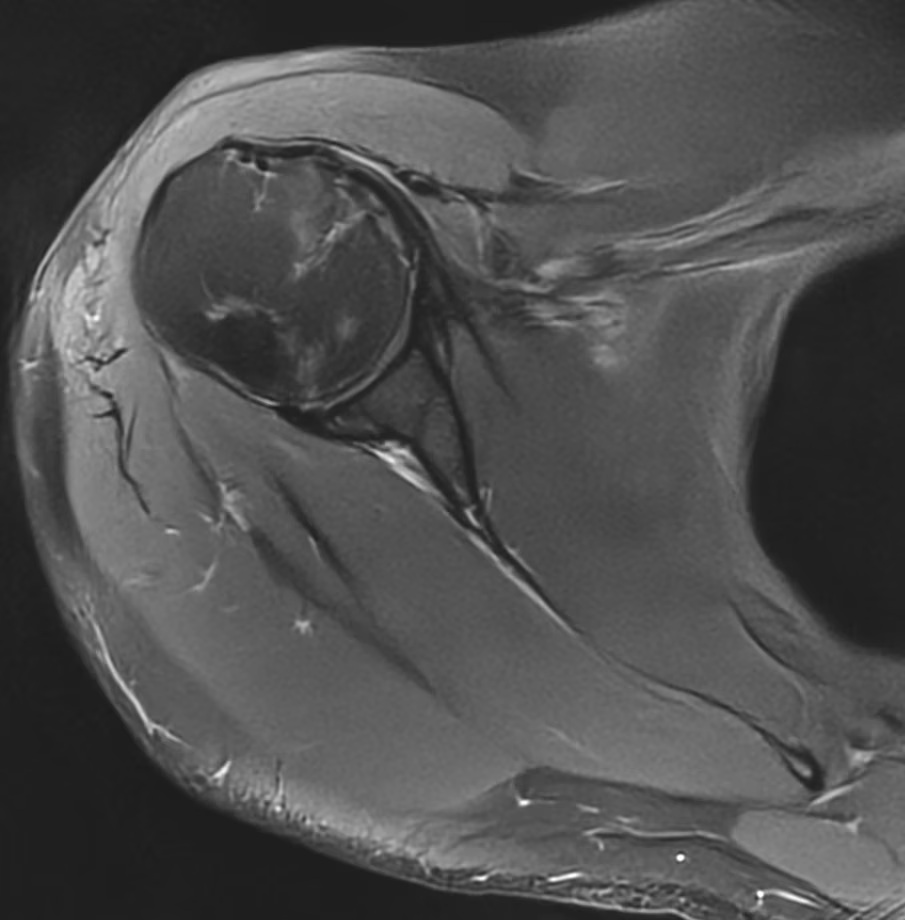
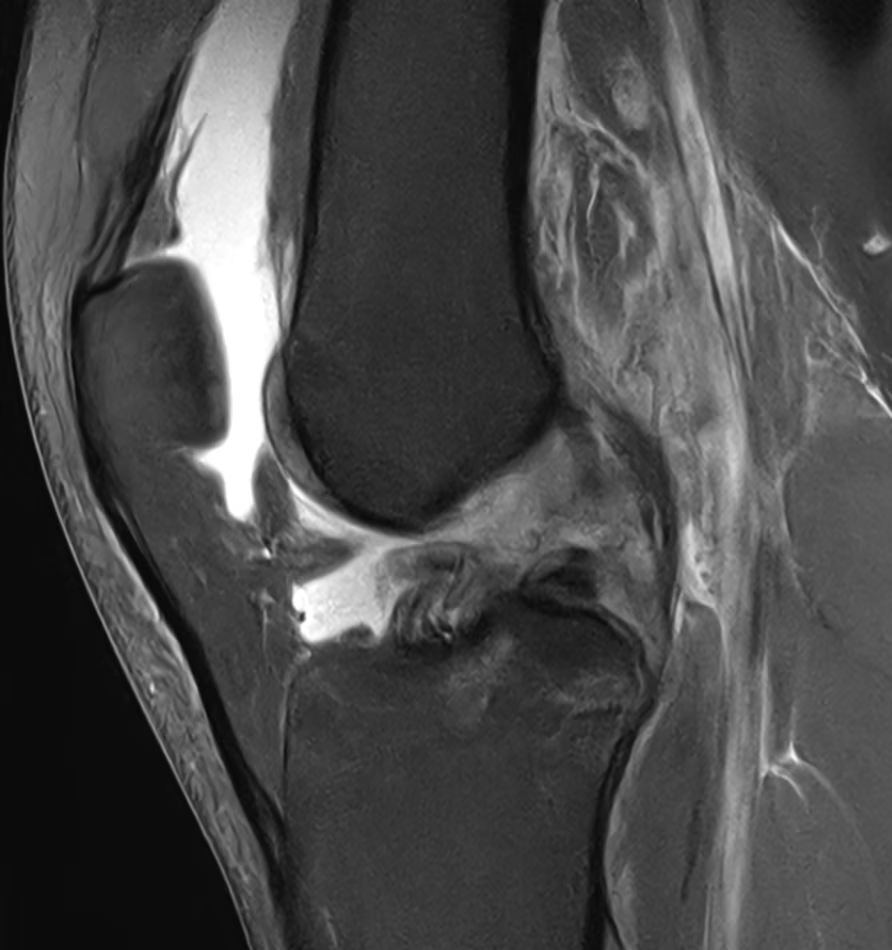
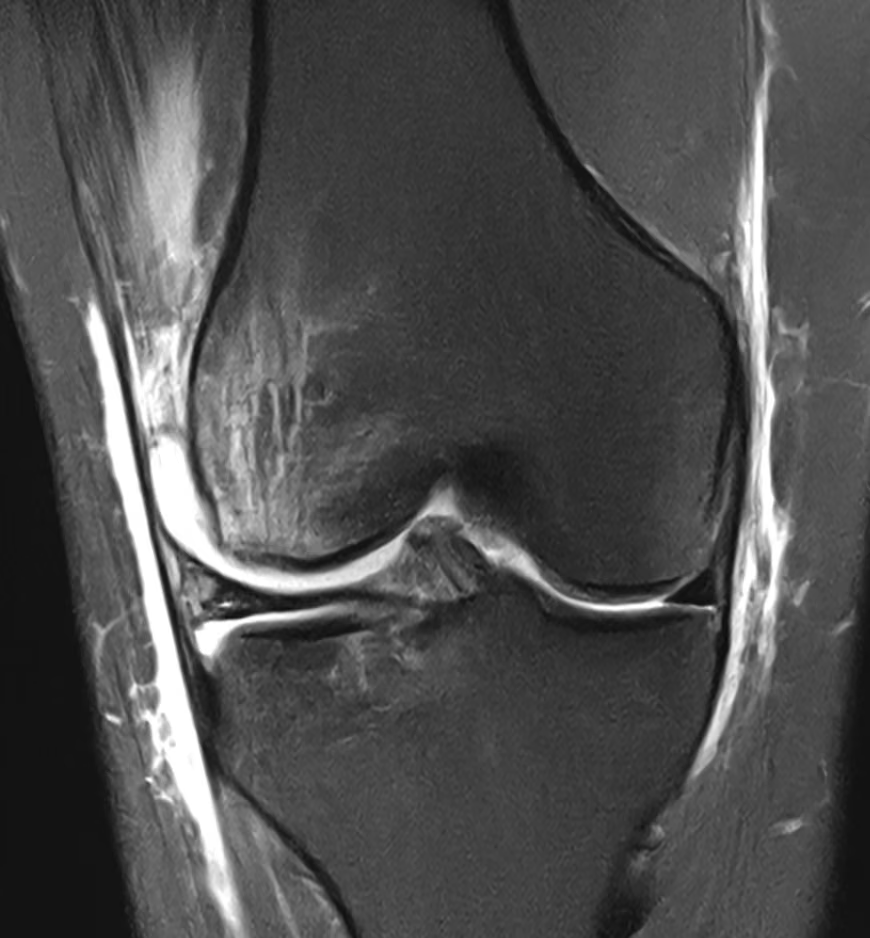
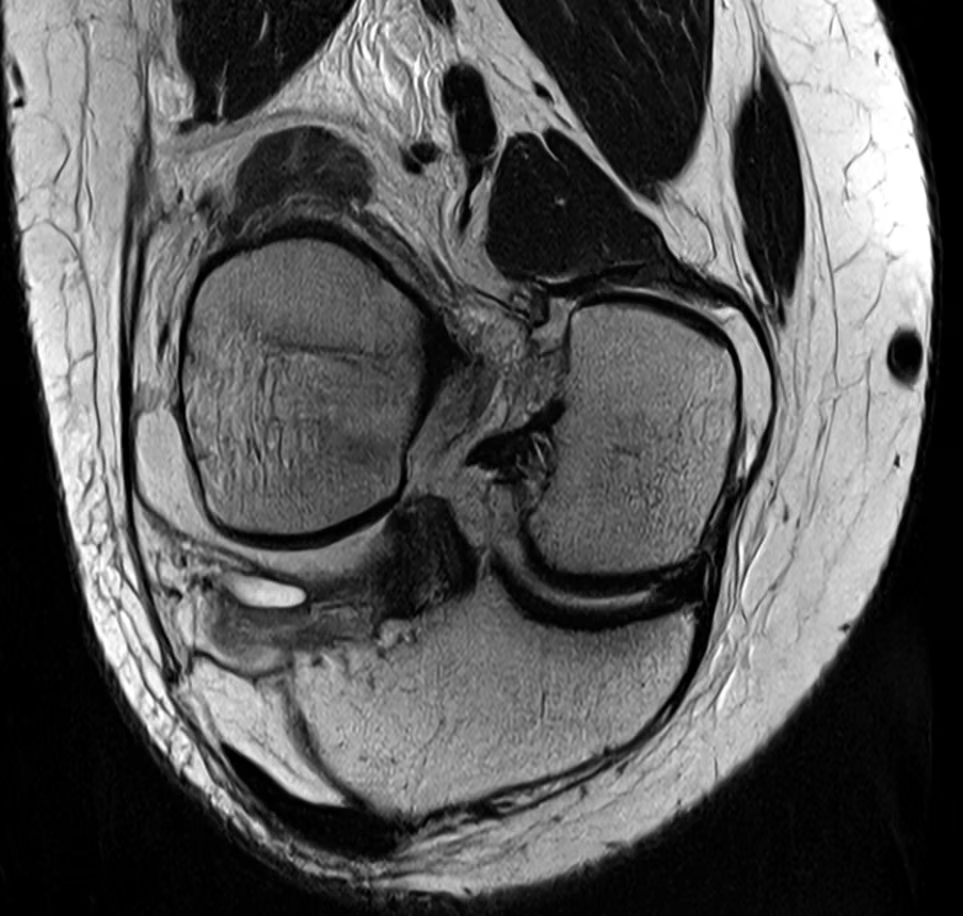
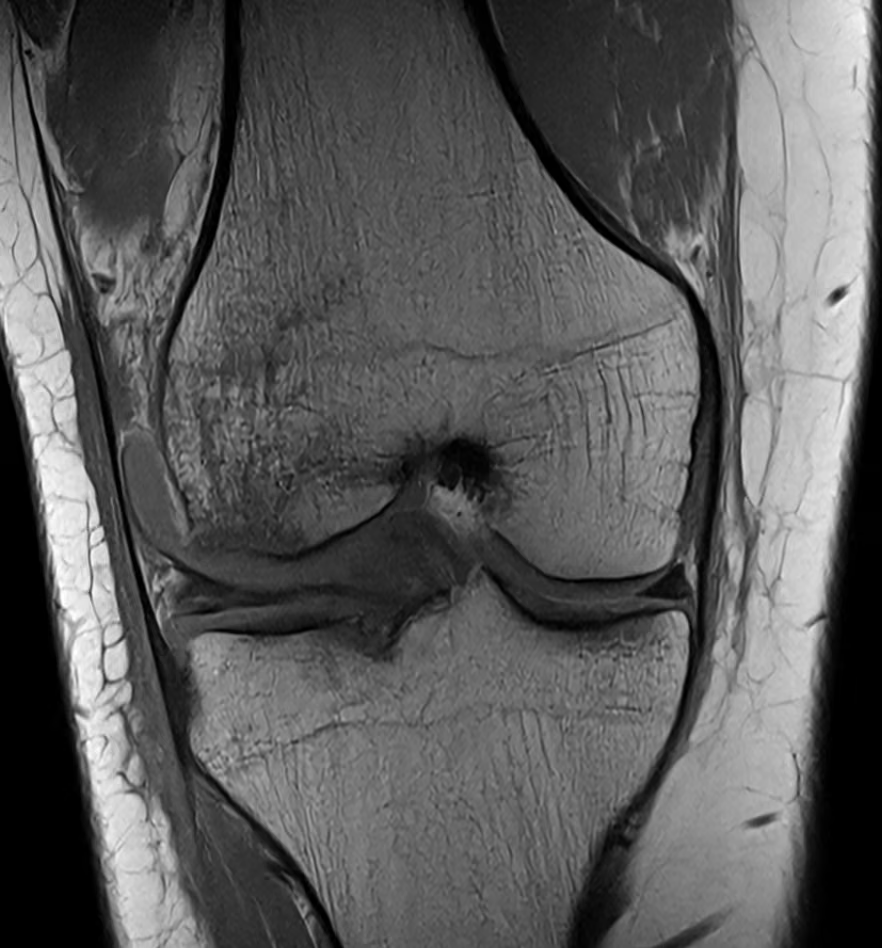
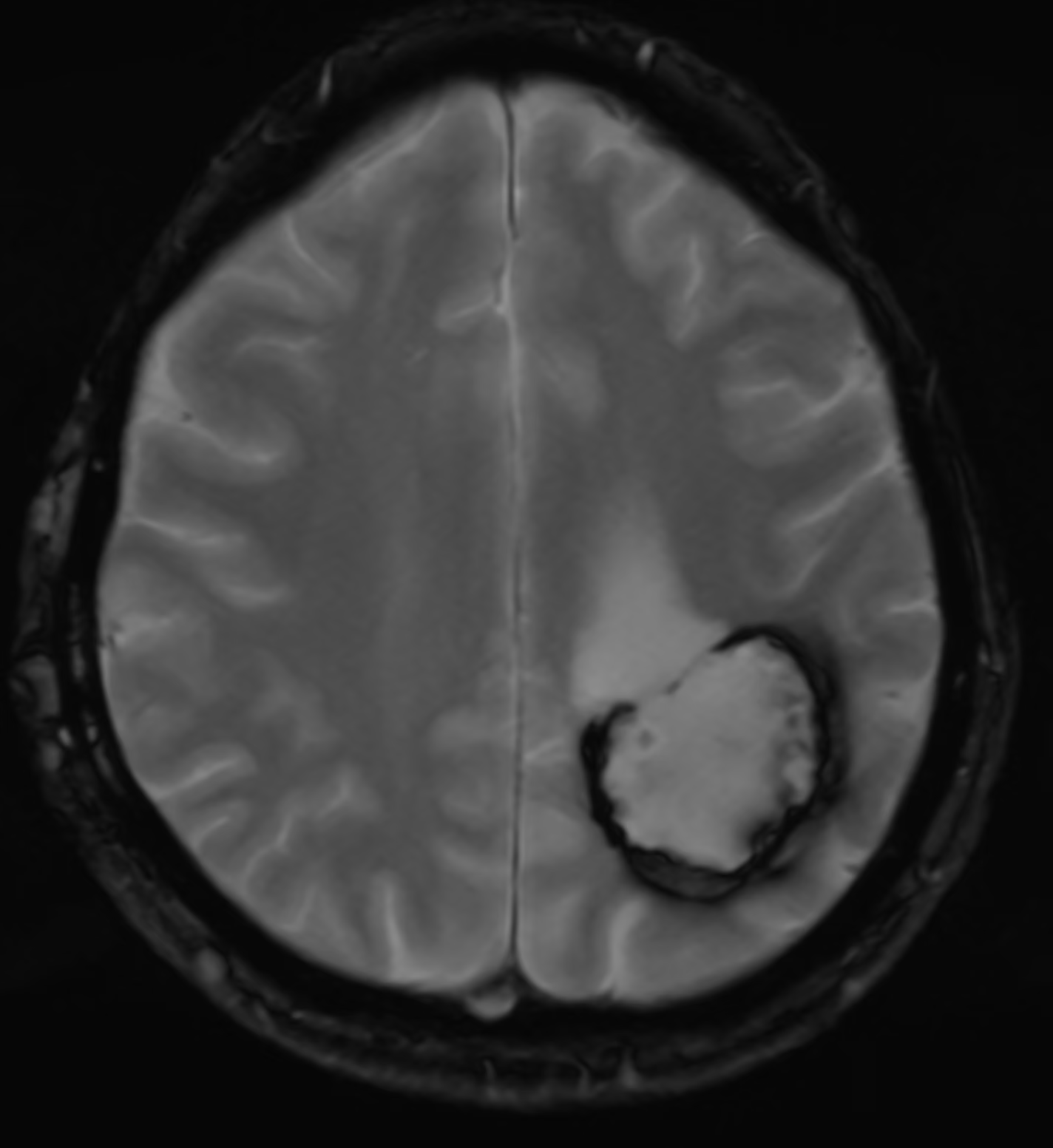
The oldest scanner in the fleet is a 2004 Magnetom Avanto 1.5T. Once Deep Resolve Boost reached the newer scanners, it fell visibly behind on both speed and image quality, and replacing it was not an option at this site. SwiftMR cut its scan times by almost half and brought its image quality into the same league as the newer scanners running Deep Resolve Boost.
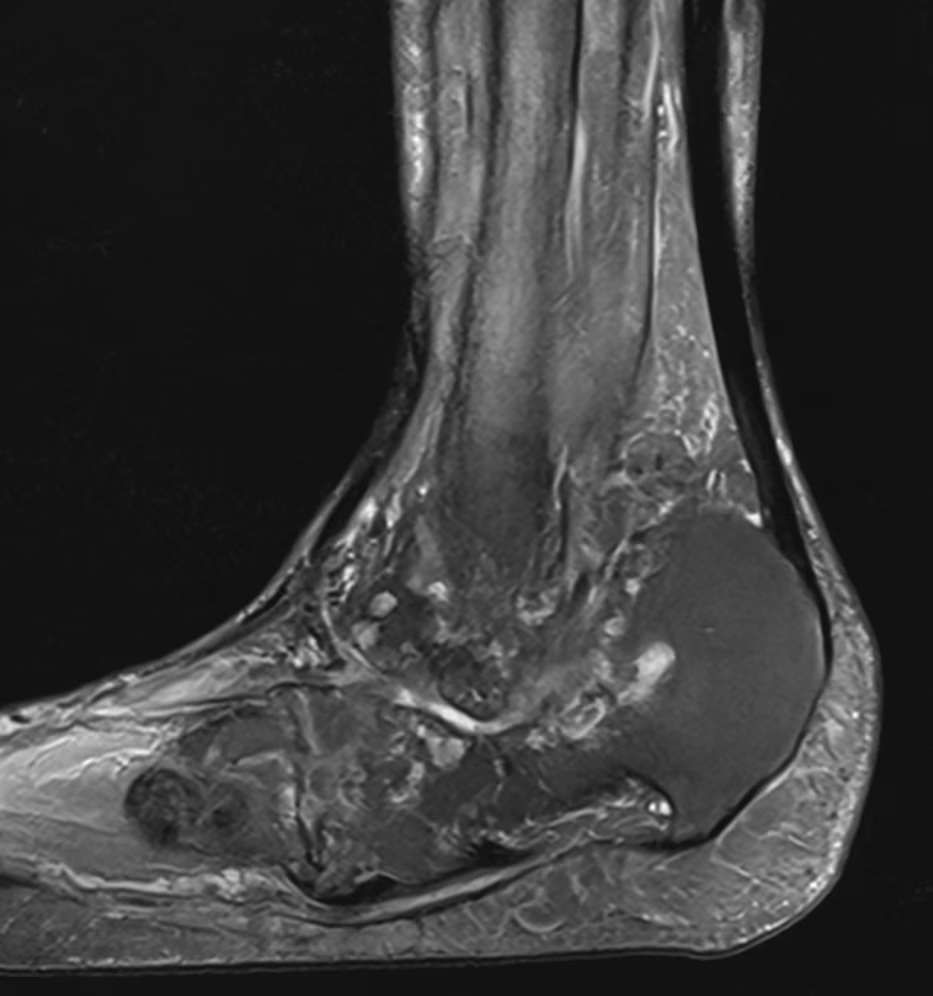
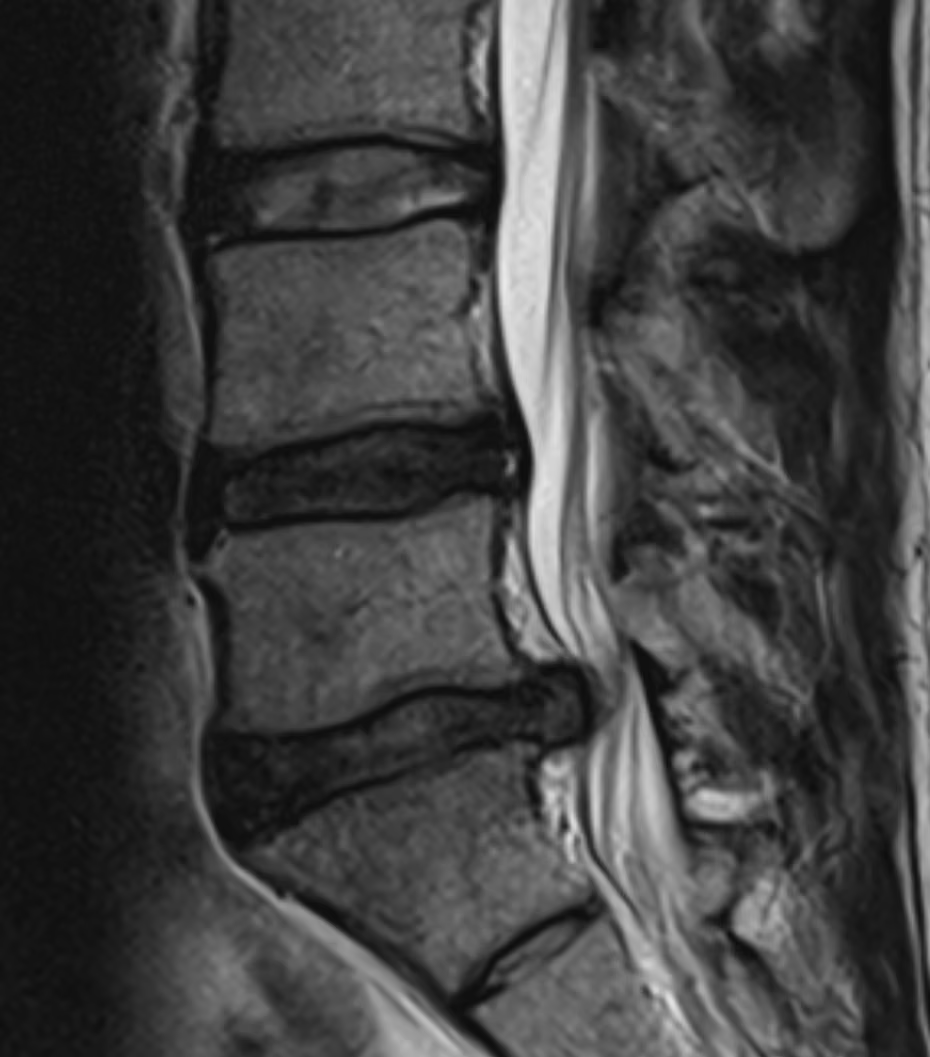
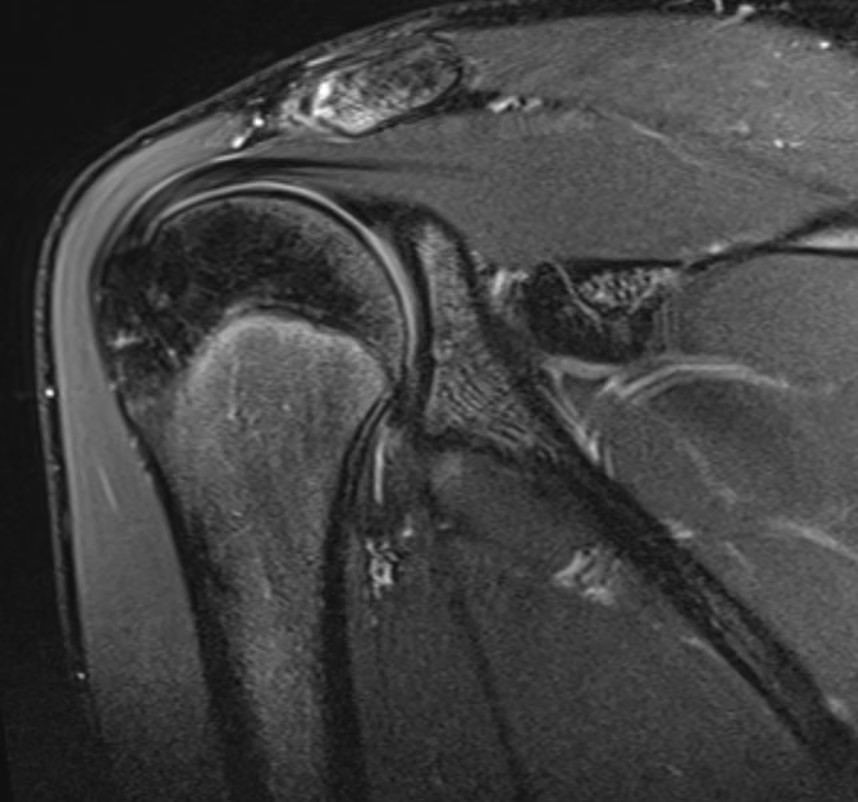
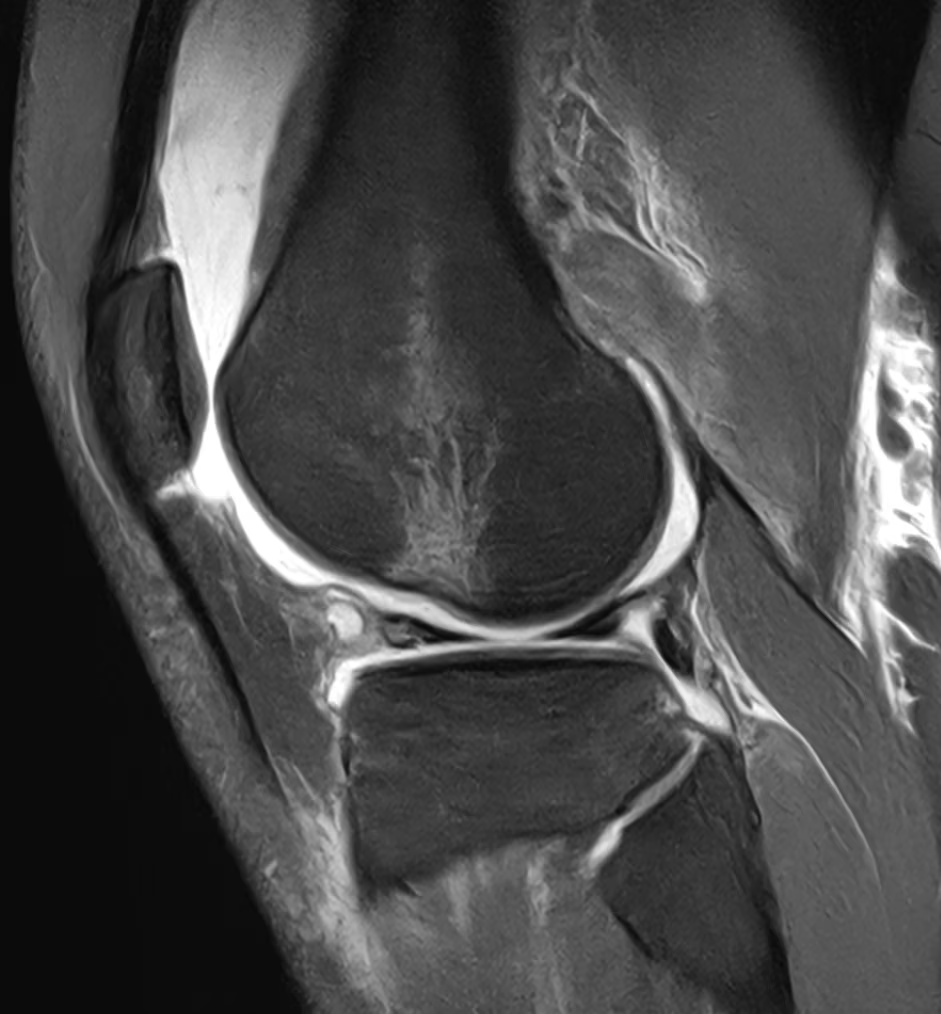
The newest scanners, the Magnetom Amira and Altea, already apply AI to the raw data with Deep Resolve Boost, so it was unclear how much improvement would be gained. Instead, SwiftMR delivered a further reduction of up to 37% while holding or even improving image quality.
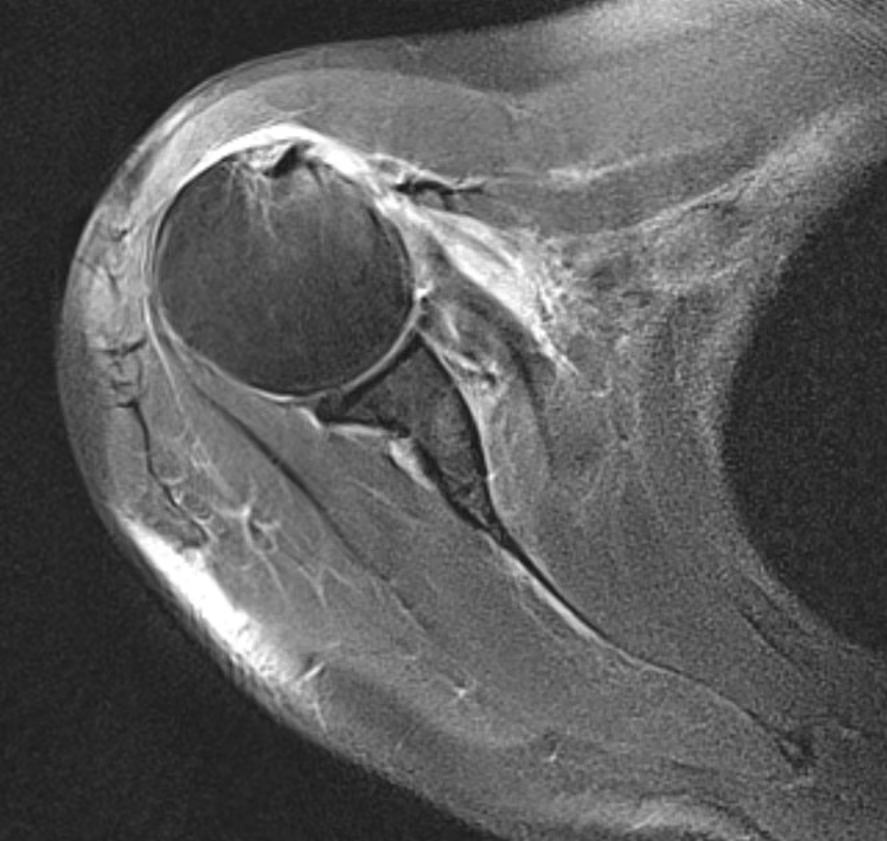
A small real-world series of 10 shoulder examinations confirmed the improvements: in-room time fell from under 15 minutes to about 10 (mean 9:48, p < 0.01), fast enough to change how the schedule is run.
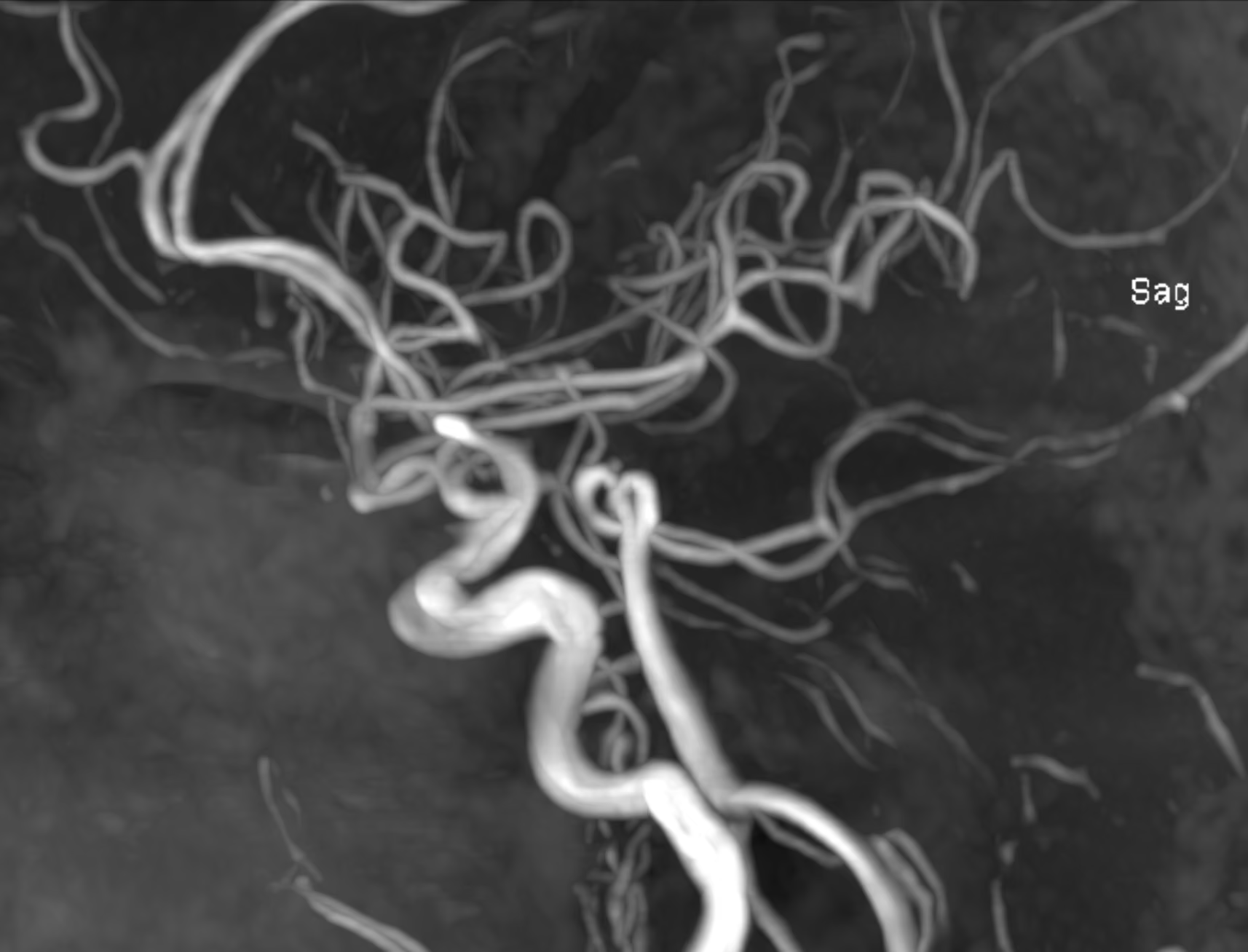
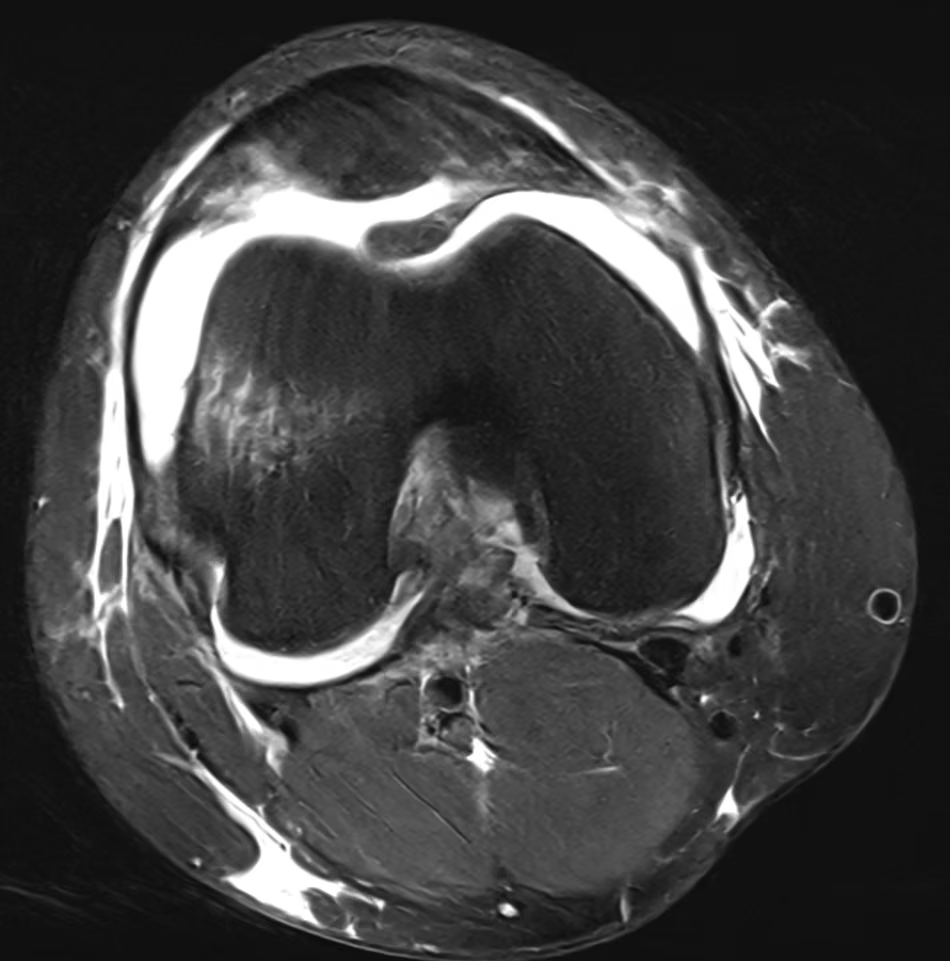
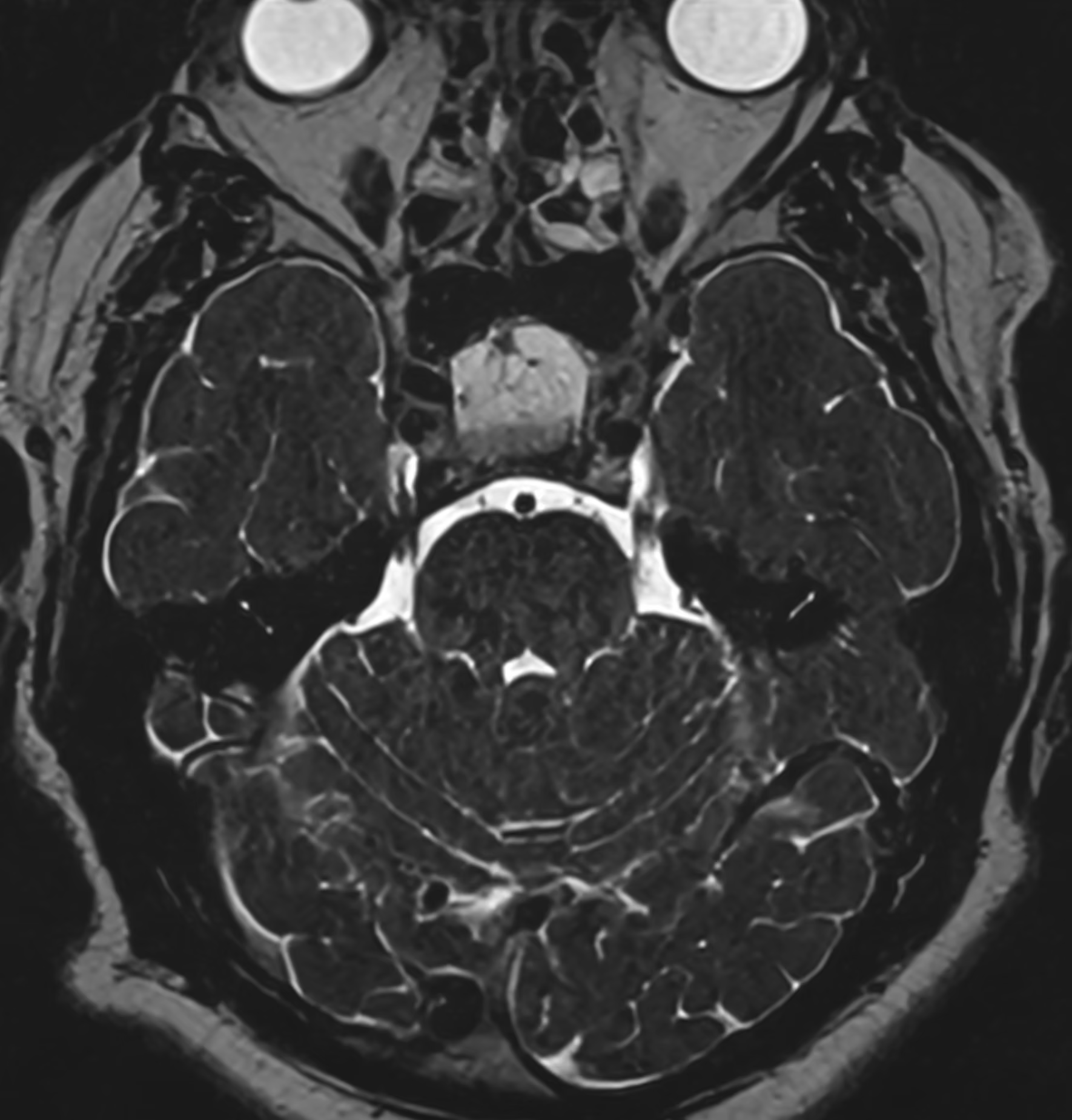
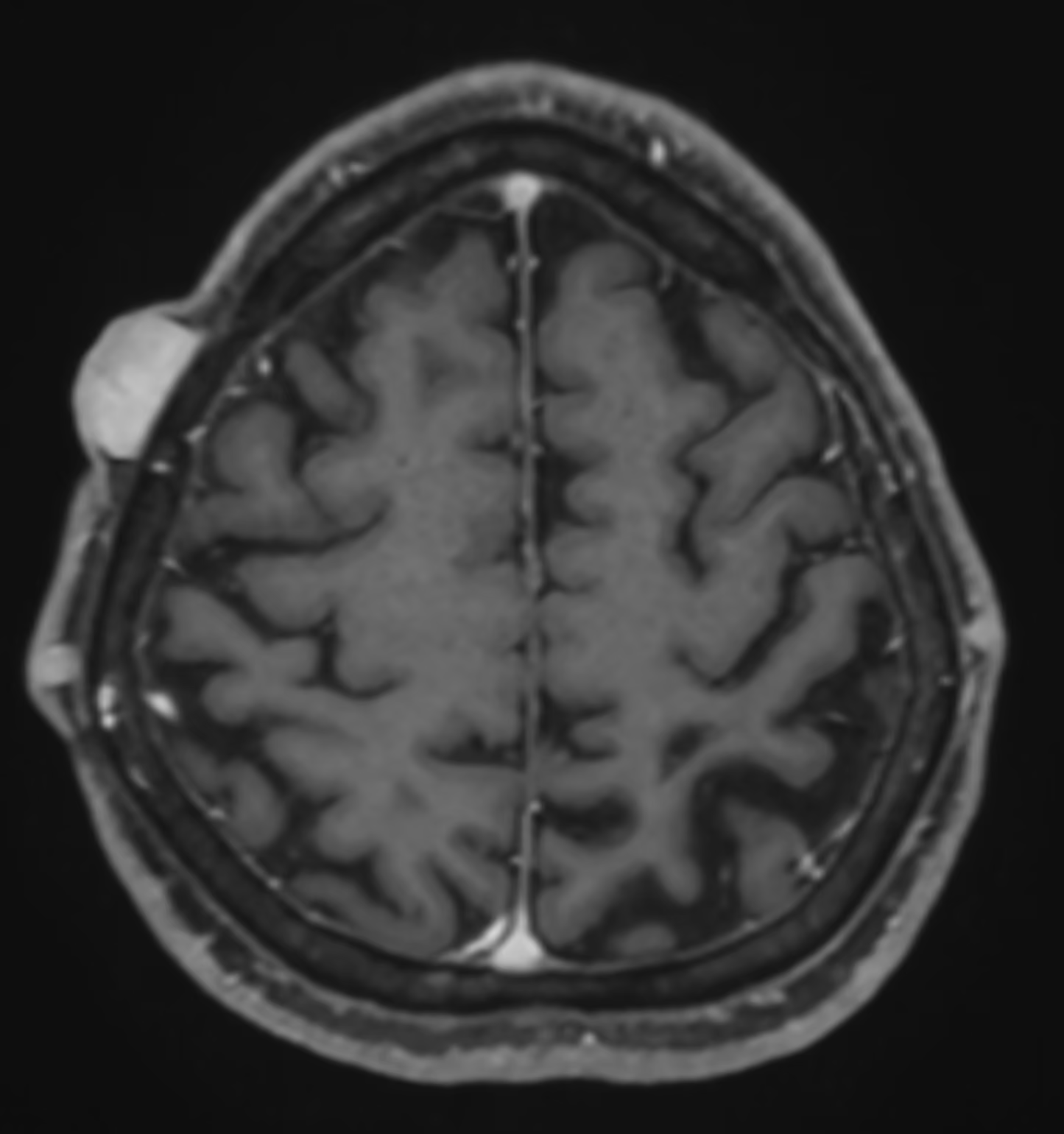
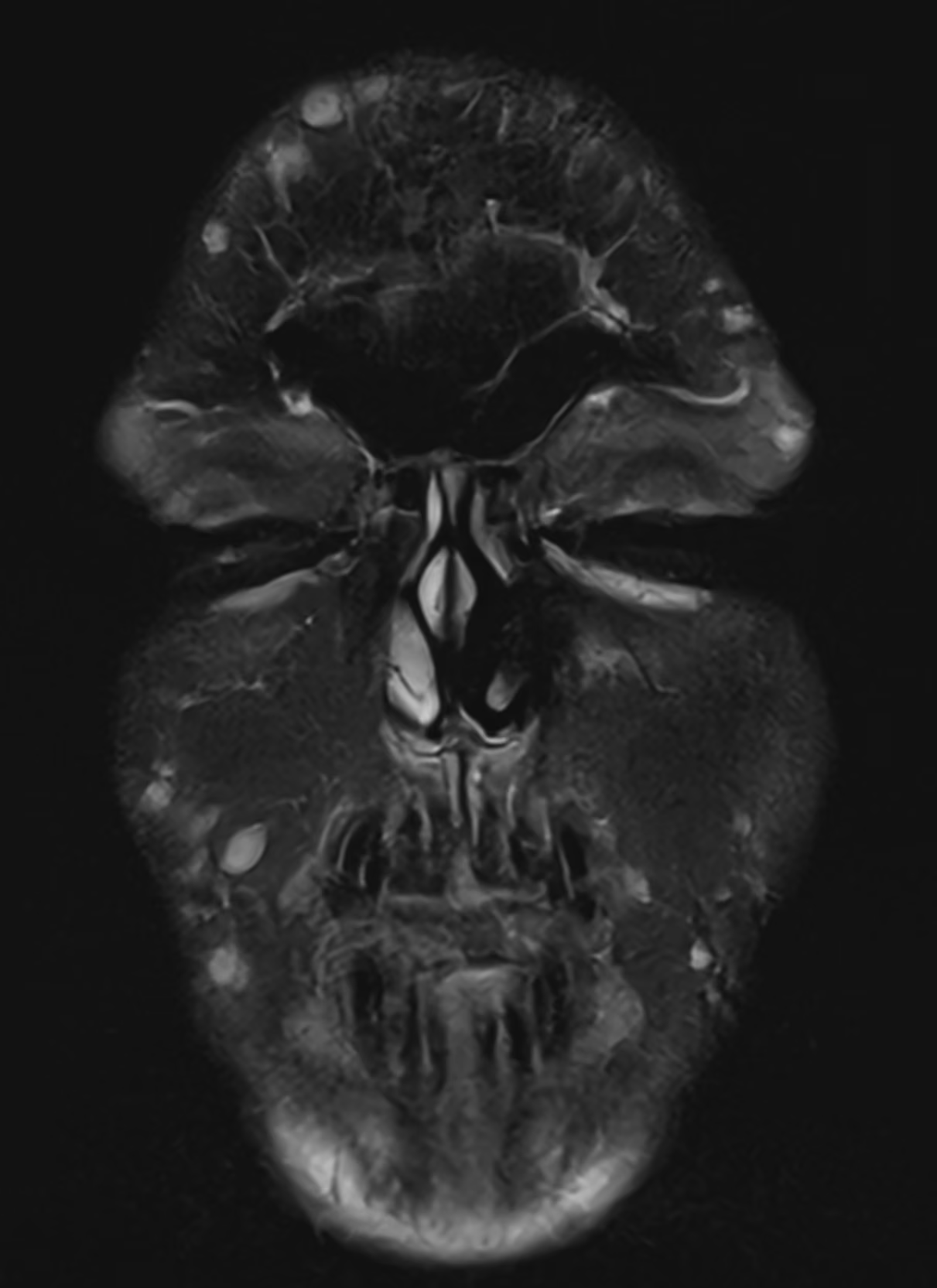
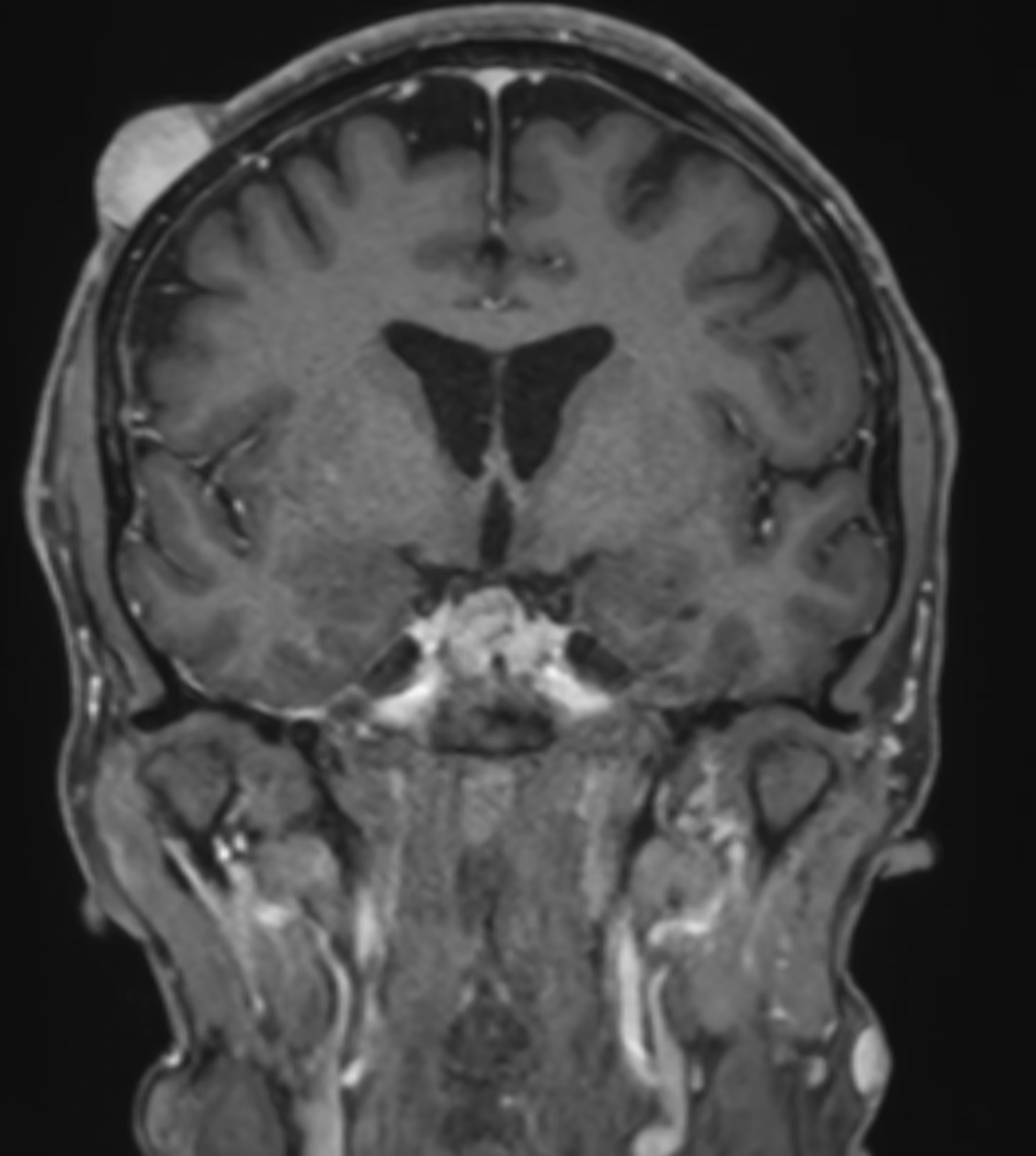
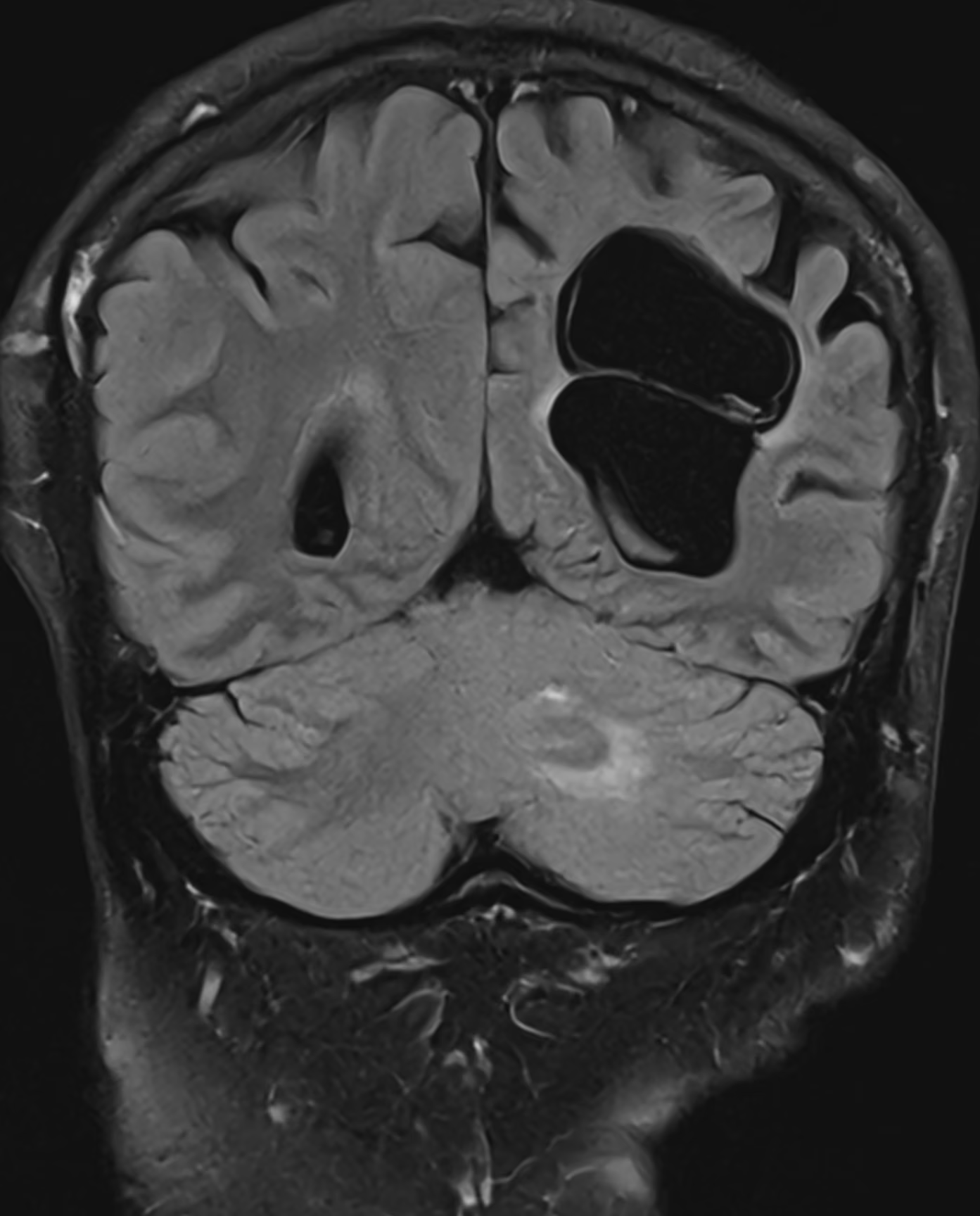
Vendor AI solutions like Deep Resolve Boost apply to the raw scan data and are limited to the sequences they support. SwiftMR works on the finished image, so it covers sequence types vendor AI cannot: 3D studies, vessel sequences, and contrast-enhanced protocols.
Rathke's cleft cyst · SPACE 0.4 mm
SwiftMR’s deep learning reconstruction brought every scanner in the fleet to the same standard. Image quality and scan time no longer depended on which machine a patient was assigned to.
With in-room times below 10 minutes, the scanner is no longer the bottleneck. The focus moves to everything around it, so the practice can reshape scheduling and patient preparation to match, turning the time SwiftMR frees into more patients and easier handling of difficult cases.
SwiftMR works across scanner generations and sequence types, improving image quality and cutting scan times on the equipment you already own, even on scanners that already run the vendor’s own AI. Contact us to see what it can do on your fleet.
SwiftMR® is an AI-powered MRI image enhancement solution intended for noise reduction and increased image sharpness on MRI images in DICOM format. SwiftMR® is FDA 510(k) cleared in the United States and CE-marked in the European Union. Supported body parts, pulse sequences, field strengths, patient populations, and MRI manufacturers may vary by country.
Results shown reflect Radiologie Team’s own measurements on Siemens Magnetom Avanto 1.5T, Magnetom Amira, and Magnetom Altea systems (the latter two with Deep Resolve Boost), as presented at the ECR 2026 Satellite Symposium. Actual scan time varies by scanner model, sequence, and clinical protocol, and individual practices should not expect identical results.
This page is intended for healthcare professionals.
© 2026 AIRS Medical Inc. SwiftMR® is a registered trademark of AIRS Medical Inc.
“SwiftMR let us considerably improve image quality and reduce scan times on our legacy scanner, and it homogenizes performance and image quality across the fleet. Even on already-accelerated scans, with Siemens Deep Resolve Boost, considerable further acceleration was possible.”